Harry Potter Stage Star Noma Dumezweni Joins Live-Action The Little Mermaid
The remake of the 1989 Disney animated movie will feature new songs co-written by Alan Menken and Lin-Manuel Miranda.
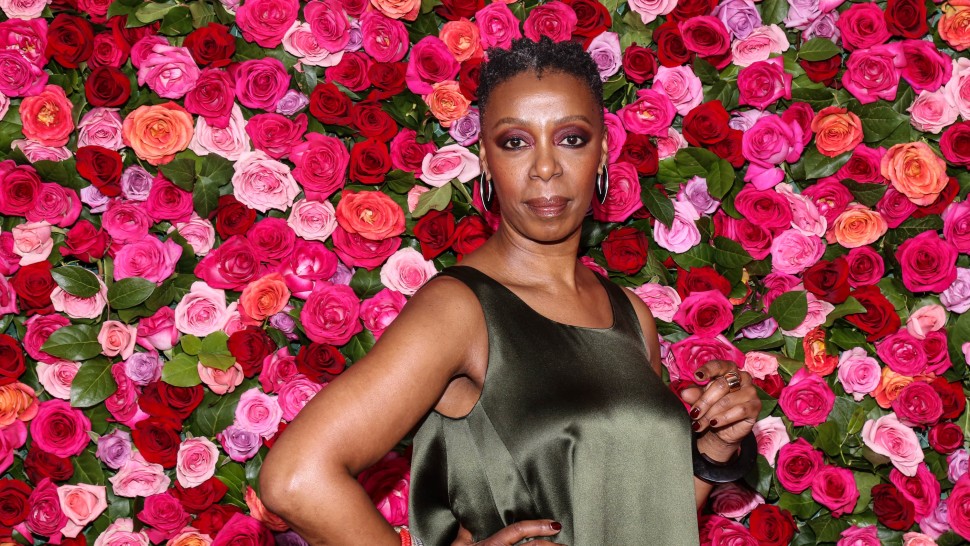
Noma Dumezweni
Joseph Marzullo/WENN
Harry Potter and the Cursed Child star Noma Dumezweni has joined the cast of Disney’s upcoming live-action remake of The Little Mermaid, based on the 1989 animated film. As reported by Deadline, Dumezweni will play a newly created role not present in the original.
Theatre fans will remember Dumezweni for creating the role of Hermione Granger in Harry Potter and the Cursed Child, playing the role in the work’s original companies both on Broadway and in London’s West End. Her performance earned Dumezweni her second Olivier Award and a subsequent Tony Award nomination. The Little Mermaid would be Dumezweni’s second Disney film, after playing Miss Penny Farthing in 2018’s Mary Poppins Returns.
Dumezweni joins a previously-reported principal cast including Halle Bailey as Ariel, Melissa McCarthy as Ursula, and Javier Barden as King Triton, with Hamilton Tony winner Daveed Diggs slated to play Sebastian. Directed by Chicago and Into the Woods film director Rob Marshall, The Little Mermaid will feature songs from the original film (penned by Alan Menken and Howard Ashman) along with new songs co-written by Menken and Lin-Manuel Miranda.
The Disney property also received a Broadway stage adaptation in 2008, starring Sierra Boggess as Ariel, Sherie Rene Scott as Ursula, and Norm Lewis as King Triton. The original songs created for that production, written by Menken and lyricist Glenn Slater, are not expected to be included in the upcoming film.
Awards
Film TV News
Film TV News
Film TV News
Film TV News
Film TV News
Industry News
Film TV News
Film TV News
Want Discount Tickets?
Sign up for exclusive discounts and save up to 50% on tickets!
The actor played the villain Lord Voldemort in the “Harry Potter” films, which debuted the eighth and final chapter in 2011. Speaking in a recent interview with The Telegraph, he seemingly expressed sympathy for the author after comments she made sparked widespread criticism over her opinions on the transgender community.
Fiennes seemingly defended Rowling from what he perceived as cancel culture sweeping her up in the public’s “vitriol.”
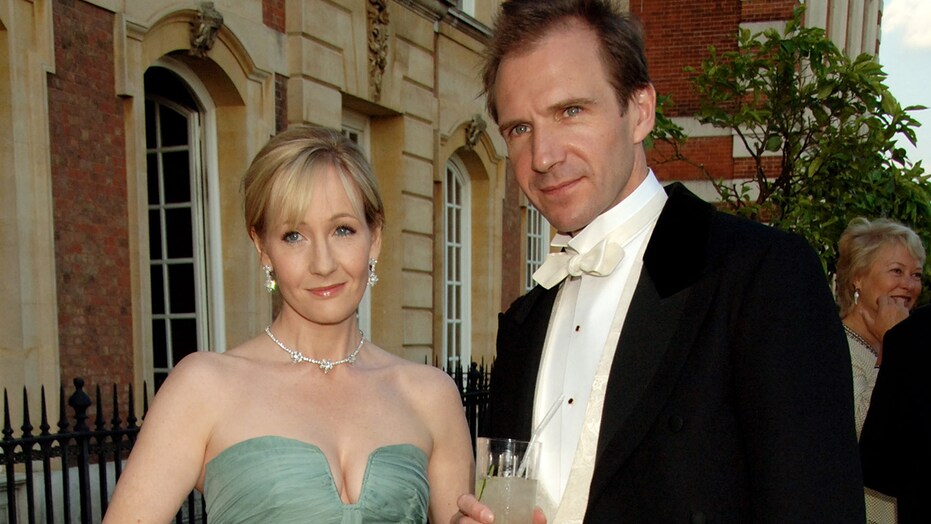
J.K. Rowling was defended by ‘Harry Potter’ actor Ralph Fiennes amid accusations of transphobia. (Dave M. Benett/Getty Images)
“I can’t understand the vitriol directed at her,” the actor said in an interview published Wednesday. “I can understand the heat of an argument, but I find this age of accusation and the need to condemn irrational. I find the level of hatred that people express about views that differ from theirs, and the violence of language towards others, disturbing.”
The once-revered “Harry Potter” author has been repeatedly slammed on social media for her comments about trans people in the past. Last June, she posted a tweet mocking an article that made reference to “people who menstruate,” urging writers to use the term “woman.”
“If sex isn’t real, there’s no same-sex attraction,” Rowling wrote at the time. “If sex isn’t real, the lived reality of women globally is erased. I know and love trans people, but erasing the concept of sex removes the ability of many to meaningfully discuss their lives. It isn’t hate to speak the truth.”
Rowling then penned an essay on the matter, attempting to explain her perspective and revealed she was “worried about the new trans activism.”
Meanwhile, Rowling did herself no favors in quelling the conversation surrounding her views on transgender people by publishing a book titled “Troubled Blood” that focuses on a detective’s search for a male serial killer who dresses as a woman in order to prey on other women.
Come Friday, it’s time to close your laptop for a week and enjoy a week of relaxation.
Kick off your spring break with a weekend of “Harry Potter,” vagina poetry and a day trip to Annapolis, Maryland, to enjoy beer and some fresh oysters.
Head to The Bullpen in Navy Yard this Friday to enjoy a socially distanced movie showing of “Harry Potter and the Goblet of Fire.” You and four to six friends will be seated at a picnic table with a view of the movie screen. Complimentary popcorn is served and drink specials are available for purchase. And if you’re feeling particularly magical, you can participate in a wizard-themed costume contest.
The Bullpen at Half Street Fairgrounds, 1201 Half St. SE. Open at 6 p.m., movie starts at 7 p.m. Tickets are $20 per guest. Find more information here.
Saturday
The Vagina Festival
What better way to celebrate Women’s History Month than by empowering yourself and other women at the Vagina Festival. The virtual evening aims to celebrate “vulva diversity, vagina honesty and body empowerment” through mediums, like storytelling and visual arts and poetry. All of the proceeds from the event will be donated to The Eve Appeal, an England-based gynecological cancer research center, and MRKH Connect, a foundation dedicated to helping women diagnosed with Mayer Rokitansky Kuster Hauser Syndrome, a reproductive-related syndrome.
Virtual. 1:30 p.m. EST. General Admission tickets are $5. Find more information here.
Sunday
Annapolis Oyster Festival
If you want a break from the city before you kick off your spring break, head to Annapolis, Maryland, to enjoy its annual oyster festival. Nineteen local restaurants are participating in the festival as vendors to feature various oyster dishes and pairings. Each vendor will offer some variation of an oyster dish and beer.
Downtown Annapolis, Maryland, Main Street. Free admission. Find more information here.
If you are like me, you had some sort of nerdy phase in the early stages of life that seemed to shape how you approach adulthood. For me, “Harry Potter” was my choice because my oldest brother already had all seven books. I grew up idolizing characters and waiting on my Hogwarts letter.
So, you could imagine that when I found out that the woman that created my favorite fantasy universe is transphobic, sexist and racist, I was pretty disappointed.
J.K. Rowling uses her Twitter account in the same way that a 13-year-old does. AKA, she tweets whatever comes to her mind without putting much thought into it. More recently, she has taken to Twitter to express her feelings about the transgender community. Rowling started by commenting on the use of the phrase “people who menstruate.”
To Rowling, the only people who menstruate are cisgender women, which alienates transgender women and invalidates the experiences of transgender men. Multiple cast members spoke out about the tweets, including Emma Watson, who starred as Hermione Granger. Watson took to Twitter to state that she supports the transgender community and wants transgender “Harry Potter” fans to know that they are seen and loved.
“Trans people are who they say they are and deserve to live their lives without being constantly questioned or told they aren’t who they say they are. I want my trans followers to know that I and so many other people around the world see you, respect you and love you for who you are,” Watson tweeted.
While her comments about the transgender community are Rowling’s most blatant acts of bigotry, there are hints of it within the “Harry Potter” books and movies.
Even with the overall lack of diversity, Rowling still manages to sneak some racism and ethnic stereotyping into her story. Between the only Asian character being named Cho Chang and the only Irish character having a knack for blowing things up, Rowling pulled out all of the stops.
Cho has a disappointing storyline altogether. The movies portray her as a traitor to her friends and nothing more than a girl whose boyfriend died. In reality, Cho was a member of the Ravenclaw quidditch team and a powerful witch.
Because there was little to no interaction between female characters in the books, the only outlook we got on these women was through Harry Potter’s eyes. This in itself creates many issues with how readers see female characters.
Rowling takes Cho from being a smart witch who plays a violent contact sport to a nervous girl that cannot seem to do simple magic around the boy she likes. The movies brush over the fact that she joined the student organization Dumbledore’s Army in her sixth year after her parents pleaded with her to avoid the groupand, although she did eventually expose the club, the film did not make it explicit that it was due to a truth serum.
Cho was not the only female character that got the short end of the stick in the movie adaptations.
Ginny Weasley, one of the more fiery characters in the books, was made to be a shy girl whose only personality trait was liking Harry. In reality, Ginny was a powerful witch and a fantastic quidditch player who went on to play the sport professionally.
Many fans of the series were disappointed in the way Ginny was portrayed in the movies and believe that Rowling allowed for a strong female character to be erased from the screen.
The way Cho and Ginny were portrayed in the movie adaptations of Harry Potter is a perfect example of how the mainstream media sees women. We can be strong on our own time, but when there is a man involved, we must crumble at their feet and beg for their guidance and approval.
Elana Ortiz is a School of Arts and Sciences sophomore majoring in journalism and media studies with a specialization in sports journalism.
YOUR VOICE | The Daily Targum welcomes submissions from all readers. Due to space limitations in our print newspaper, letters to the editor must not exceed 500 words. Guest columns and commentaries must be between 700 and 850 words. All authors must include their name, phone number, class year and college affiliation or department to be considered for publication. Please submit via email to oped@dailytargum.com by 4 p.m. to be considered for the following day’s publication. Columns, cartoons and letters do not necessarily reflect the views of the Targum Publishing Company or its staff.
Growing up with mental health struggles, Callender clung to a source of comfort: “The constant hope of ‘Well, everything sucks right now, but if I can just wait until the next book comes out…’: That’s what I would tell myself,” Callender, 30, recalled to USA TODAY.
Through the years, “Harry Potter,” the boy wizard book series turned cultural juggernaut, has served as a source of comfort and empowerment for countless readers of all ages around the world, including members of the LGBTQ community. Feel like an outsider? So did the boy who lived.
Series author J.K. Rowling made headlines earlier this summer with multiple posts online voicing opinions on the trans community that conflated sex with gender and defended ideas suggesting that changing one’s biological sex threatens her own gender identity.
and why is ‘Harry Potter’ author J.K. Rowling being called one?
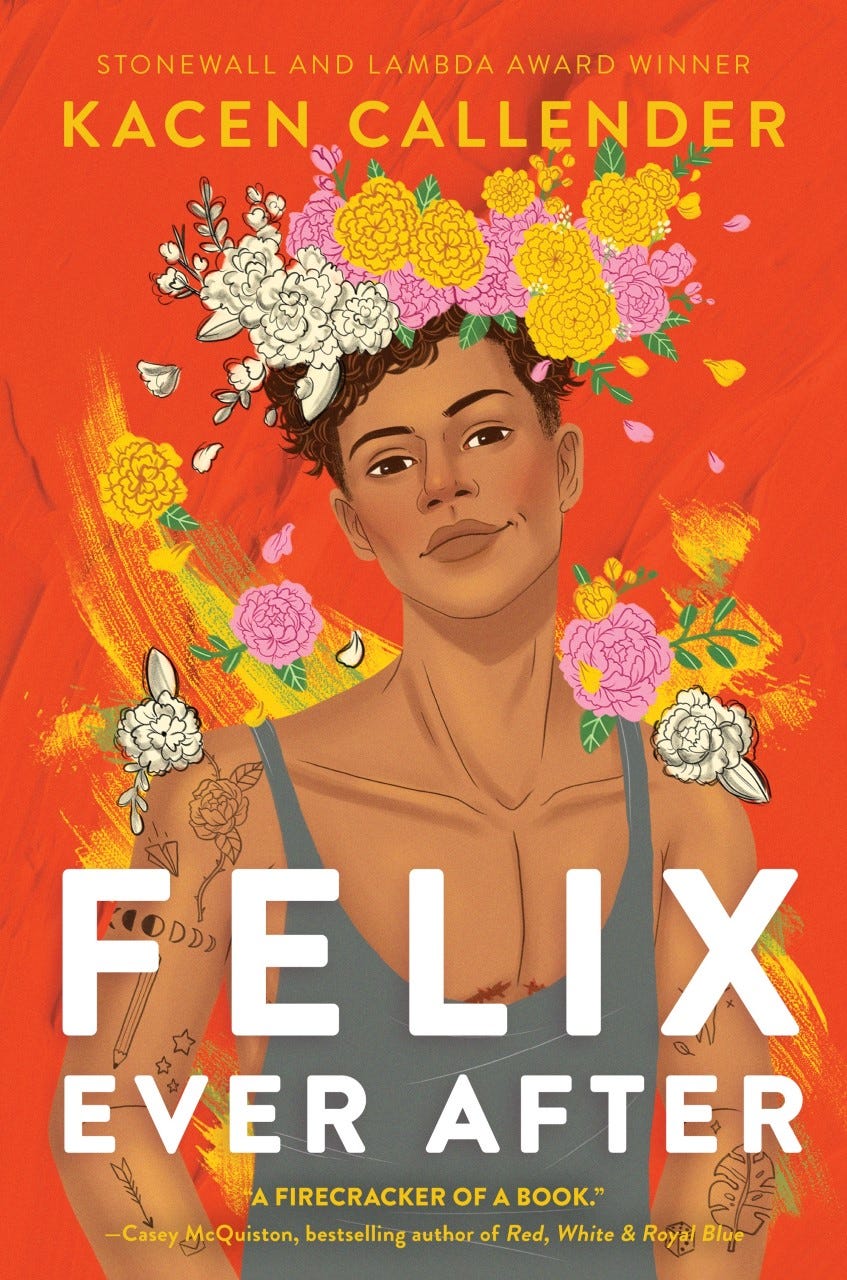
Now an award-winning author of multiple young adult books including “Felix Ever After,” Callender (whose pronouns are they/them) is a professional storyteller largely thanks to Rowling’s influence – a painful realization now for a transgender person who grew up loving “Harry Potter.”
“I’m scared to think about the people who might have loved ‘Harry Potter’ and thought about it the same way and then to see their idol come out and say that they’re not worthy,” said Callender, noting that suicide rates are higher for trans and non-binary children than cisgender children “because we’re so isolated and ostracized.” Cisgender refers to those whose gender identity matches the one they were assigned at birth.
A 2019 CDC study found that trans youth made up 2% of high school students and more than a third of them attempt suicide.
“I do think that giving her any sort of platform is potentially life-threatening and dangerous. … Her rhetoric continues to push this incorrect thought and conversation around transgender people,” Callender added.
Rowling’s spokesperson declined comments to USA TODAY.
AJ Solomon is another fan to whom “Harry Potter” meant everything as a kid.
“I knew without a doubt that my whole life would not just revolve around ‘Harry Potter,’ but was kind of defined by it,” Solomon, 21, recalled. “There was never any question. My backpack was ‘Harry Potter.’ When I had an art assignment, I would automatically try to make it about (‘Harry Potter’)… When I started to realize I was trans, a lot of the solace I took in ‘Harry Potter’ was that if I was magic, I could just use a spell to lower my voice.”
Upon rereading the series, some “Potter” fans over the past few years have perceived offensive connotations within the story they love. The books’ goblins, creatures with pointed noses who control the wizarding world’s banks, are widely read as having roots in anti-Semitic folklore. There are also several scenes that can be read as transphobic, including more than a few in which a male character wearing a dress is played for laughs – a trope that prominent trans voices in entertainment such as actress Laverne Cox widely concur threaten the well-being and safety of real-life trans women.
“What’s so hilarious about that? This is the painful moment for me,” Callender said.
‘I get goosebumps’:Laverne Cox on Netflix transgender history doc, landmark Supreme Court decision
As fans move to become more critical consumers, many have found comfort in making up their own ideas about what that world might look like, be it writing fan fiction for online audiences or daydreaming about how the wizarding world might be more inclusive than the real one.
“What would it look like to be trans with magic?” Solomon sometimes wonders with fellow fans. “What would transitions look like? … Are there charms to make people forget your old name and pronouns? Is it something that they don’t talk about because they don’t need to because it’s just solved so easily?”
“Potter,” at this point, has a life completely beyond its creator, not unlike the “Star Wars” franchise, notes Michael Bronski, an LGBTQ historian, activist and Harvard professor.
With the book series complete, the rest of the franchise (multiple theme parks, stage play and prequel films, to name a few) doesn’t really need Rowling and therefore isn’t necessarily doomed by her public perception. So if many fans have moved on from the author one way or another, how will Rowling be remembered?
“I think it depends on what her investment in this is,” Bronski said. “If (Rowling) is really invested in being beloved, this might be bad for her. But if she’s happy being an independent person who can have an opinion (and) doesn’t care who criticizes her, she’s set.”
There are some fans who don’t find Rowling’s comments to be a deal breaker. But the many who do are left wondering how they can love something created by someone they can no longer support. Some, like Solomon, have decided to focus on the communities “Harry Potter” has allowed them to build rather than the source material. Others, like Callender, want to help ensure that YA books have proper representation for younger readers to help them feel less alone.
Callender’s latest book, “Felix Ever After,” stars a “Black, queer trans (teenager) afraid he isn’t worthy of love because he’s ‘one marginalization too many,’” Callender explains. Beyond “Felix,” the past few years have brought standout YA novels starring trans and non-binary characters, including “Mask of Shadows” by Linsey Miller, “Cemetery Boys” by Aiden Thomas, “Anger is a Gift” by Mark Oshiro and “I Wish You All the Best” by Mason Deaver.
“It’s time for my self-healing and to move on,” Callender said. “Part of that is to focus on the amazing number of trans stories that are coming out. … I feel like we have a moment now to say, ‘Forget her, screw her, and let’s focus on our own beautiful stories and making sure that those end up in the hands of young readers who need them.’”
“She’s shown no fear, no bitterness, no self-pity, only armed us with the courage to go on and insisted that no one be sad, because she is happy,” he wrote.
What are the characteristics of this type of game design?
The digital ink hasn’t settled yet on my fourth book, let alone my third, and I’m already planning book five to be on free-to-play / monetization. With it, the discussion returns to the topics of ethical free-to-play(F2P) and everyone’s “favorite” phrase: pay to win(P2W). There have been many arguments from developers and consumers over what is and what isn’t. I want to take on the difficult task of laying down the core arguments for when something is unethical and P2W.
The last decade in the free-to-play space was pretty much about arguing over the use of monetization practices throughout the industry. Gachas, loot boxes, fun pain, gambling, etc., have become an element of a lot of free-to-play games, and even some AAA. Trying to decide if something is ethical free to play is tough because as with a lot about game design, individual mechanics and systems have no allegiance. What could be considered ethical in one game could be malicious in another. There was a point where developers tried, and failed, to justify to me that ARPG design with loot and loot boxes are one and the same.
There is no one perfect thing that automatically makes a game’s monetization ethical or unethical, and I must look at the entirety of the monetization model to render a verdict. With that said, these are three points that I’m going to be talking about in my fifth book, and I feel are three bars that every monetized game needs to clear.
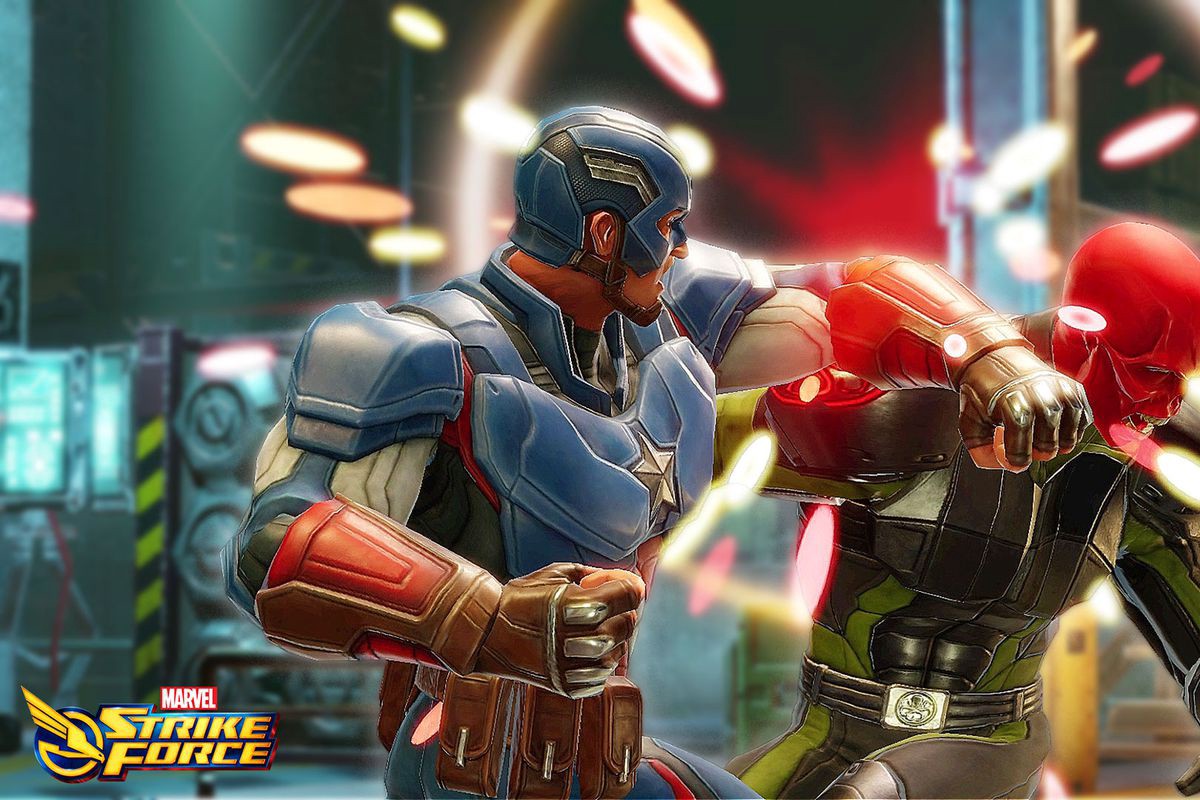
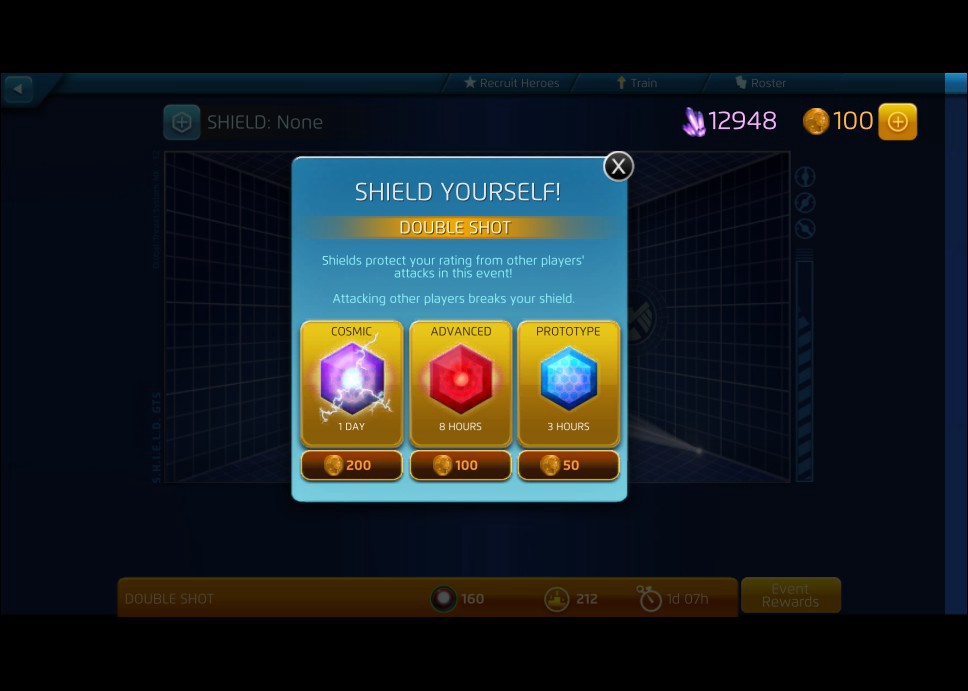
Marvel Strike Force. Source: Polygon.
1. Does the consumer feel pressured, forced, or coerced into spending money?
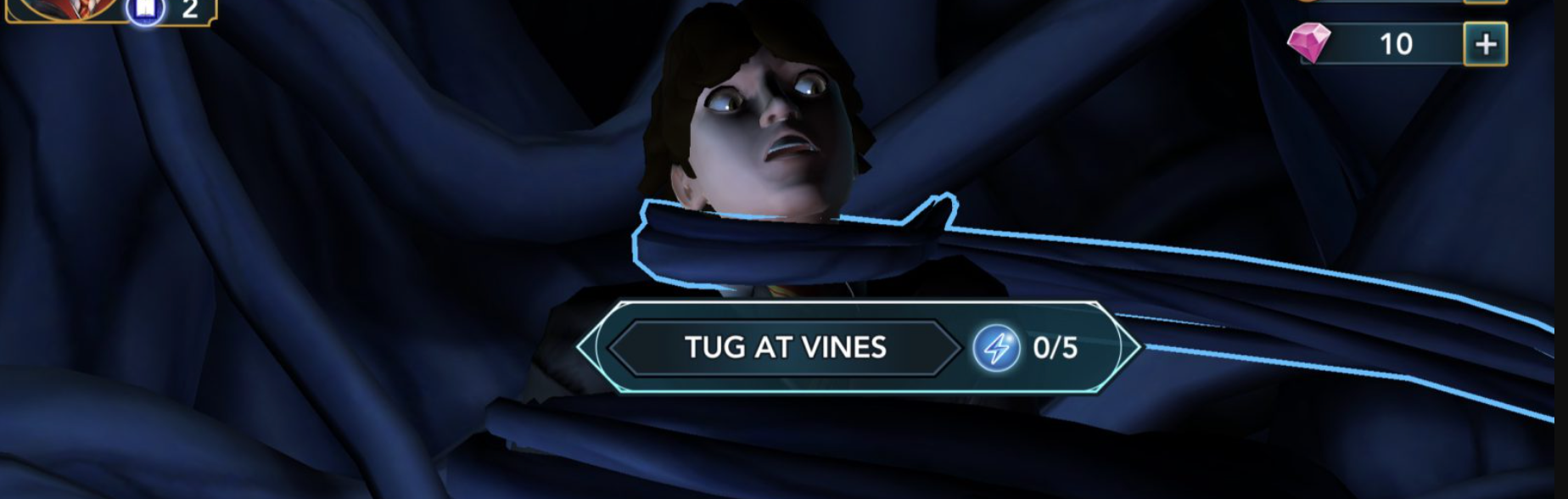
Much of the first and second-generation mobile and free-to-play games were designed to get money through annoyance. This is where the concept of “fun pain” came about and has been a stigma of mobile games for over a decade. I’m sure everyone remembers the Harry Potter mobile game that has a scene where a kid was being strangled as the game prompts the player to spend more money to refill their energy.
So much about the unethical side of F2P games is about psychological manipulation of the consumer; whether intentional or not. Having “best purchasing option” or “24-hour limited sale” pressures the consumer into spending money. Games that specifically design their UI to hide or downplay how much money someone is spending is another problem. With that said, there are far more subtle examples of how games can try and convince someone that should be spending.
Many F2P games that have competitive modes or alliance modes are designed to punish players (and their guilds) if someone cannot pull their own weight.
I spoke about Marvel Strike Force in the past and how their alliance mode came with PVP-specific characters of such quality that not having them often meant the difference of your alliance winning or losing. In fact, competitive games are often the ones that manipulate the player the most. There was the controversy of Activision patenting a matchmaking feature that would purposely put weaker players against paying players so that they would lose and feel the need to spend money.
Manipulating the consumer can be at all levels with monetization. Source: Author
Someone playing a free-to-play game should never feel like the game is being tilted or manipulated to make them spend. There is a big difference between someone wanting to spend money to either support a game or get something in it, and feeling like there is no other way to keep playing unless they spend to gain power. With that said, a lot of these discussions have focused on game-effecting content, but there is another point that must be discussed.
Games that have the bulk of their monetization focused on cosmetics of all kinds. The mobile game Azur Lane is one of the most generous I’ve played when it comes to getting currency for gacha rolls, but all cosmetic skins are expensive and the drop rate for the resources is near impossible to get regularly. A general comment that has been repeated is that if a microtransaction doesn’t provide gameplay advantages then it is perfectly ethical. This next point is well past the time for it to be said:
Cosmetic options that can only be purchased with real money are examples of unethical f2p design. People have been bullied or feel left out, and have been made to feel worse for only using “default” skins, and this has driven a lucrative chase whenever new cosmetics are introduced. We are past the point of arguing about it, and no one should be leaving a comment to try and justify this.
Many of the examples that fit this section are on the subtle side, but the next point is very much overt, and if discovered, is the nail in the coffin for a lot of free-to-play games.
2. Are there any purchases that provide a unique advantage over other players?
Part of the problem with rendering a verdict on any game with monetization elements is that at the end of the day the developer needs to be earning money to justify keeping the game going. A free-to-play with no microtransactions or monetization model is one that is not going to be able to maintain its livelihood for long.
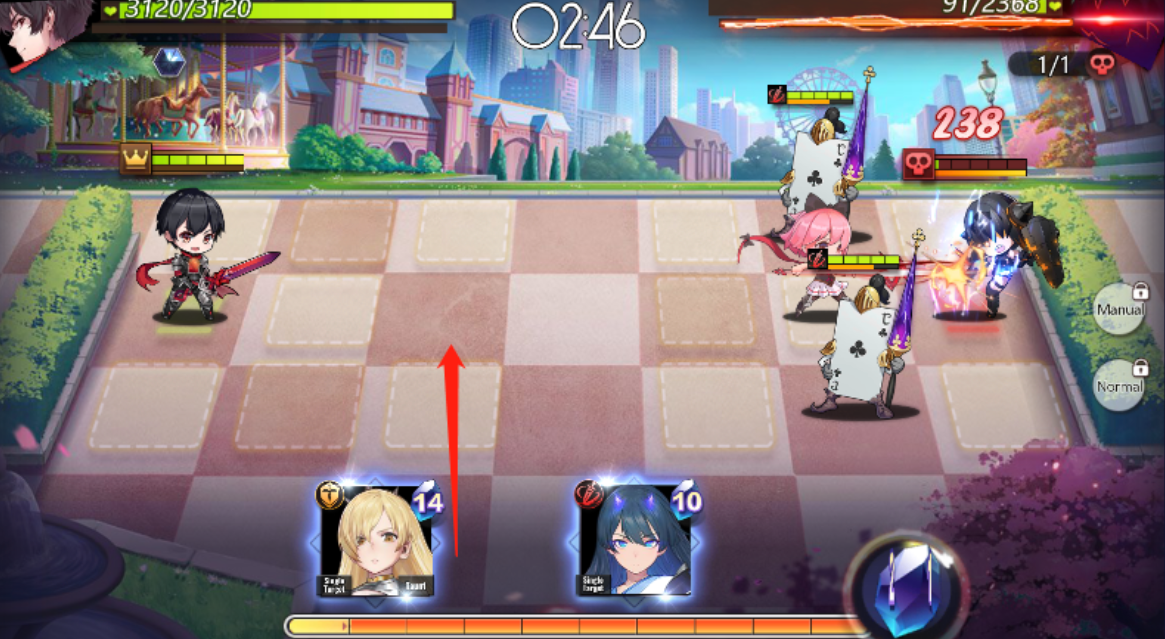
Illusion Connect’s Gacha system locks many of its characters to banners only. Source: Author
Being able to spend money to see more of the game faster or get something you really want is fine…to a point. One of the easiest ways to spot a pay-to-win game is if there are any microtransactions that give a paying player an advantage that cannot be acquired otherwise. Many mobile games have used what is called a “VIP system” as a way of getting players to spend money. The concept is that the more someone spends, the more advantages they unlock as their VIP level goes up. This can include getting more inventory space, more free currency, or even making game systems easier to use. Any time a microtransaction can make a game easier to play, or reduce fun pain, would fit into this category.
If there is a character or weapon that can only be earned by spending money, that falls into this category.
One of the more grey area systems that have risen in popularity is the “battle pass” or season system. How it works is that during a specific season, players can earn rewards by playing the game and completing objectives. By spending more money, players get an upgraded battle pass that features unique rewards as well as just having more for doing the same amount of playing. If there is content exclusive to the paying battle pass version, I feel it would fall into this category. If both free and paying players can earn the content, with paying players getting it earlier, then I feel that would be an acceptable tradeoff.
No matter what, when you have a game built off continued monetization, someone who spends money is going to have an advantage.
For my final point, the question turns to how much of an advantage is there to spending money?
3. Is it possible to progress/compete without spending any money?
One of the specters that has haunted free-to-play games since the early ’00s is balancing a game for both free and paying players. There are two specific points for this question:
Can someone use skill to win over someone who spends money?
Is it possible to progress at a comparative rate to a paying player without spending money?
Hearthstone has been known to have balancing issues. Source: Reddit.
RPG-based design that uses free-to-play elements typically favors abstraction over player skill. If you are the best player in the game, but you don’t have the best characters or the highest-ranked ones, then there will be a hard stop point for how far you can progress. Character hunting in a lot of gacha games isn’t just about getting the best character, but being able to upgrade them to their max power; oftentimes requiring multiple copies or “shards” of said character.
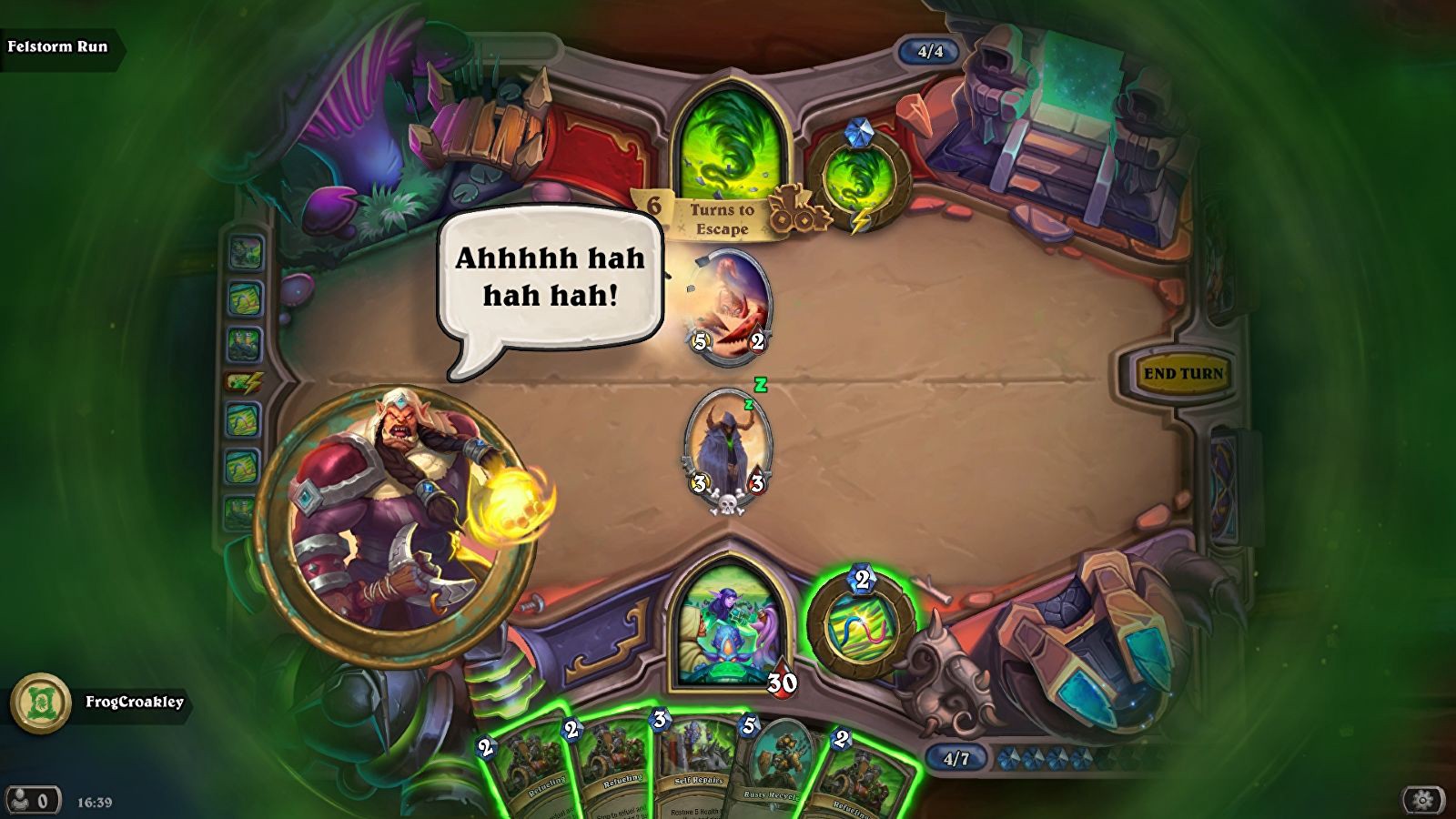
For CCGs, this is not as bad depending on how the booster packs are being designed, as cards can’t be “powered up.” However, many long-standing CCGs run into problems when it comes to introducing new content. While you will never see good CCGs up the power curve with new cards, that doesn’t mean that newer cards aren’t superior to older ones. Hearthstone has had a longstanding issue with balance in this regard, as there is no competitive reason to ever use the base decks when you have years of booster packs, expansions, and game-altering cards introduced.
I still remember my early experience with Hearthstone and running into someone who was throwing down a legendary card every other turn, compared to my starter deck at a similar rank. I can’t imagine how bad it must be now starting out fresh in the game. For skill-focused games, like shooters and fighting, spending money may offer some advantage of having more characters or weapons available, but these are genres where skill will always trump spending.
However, the other point is far trickier to pin down. There have been plenty of free-to-play games that give the player free currency or allow them to unlock things without spending money, but there is more to this than just free stuff. A very popular monetization tactic is to let free players “earn” the resources they need to progress, but at such a slow rate that it’s almost not even worth it to keep trying.
Being competitive in free-to-play games is often about constant spending to stay ahead of everyone else. Source: Author
When I spoke to Ramin Shokrizade on several occasions, his view on when a game becomes pay-to-win is if a paying player can supersede the progress or time spent needed to play the game. What that means is if someone pays money and can complete the same task that could take someone hours, or even weeks and months to complete, then that is pay-to-win regardless of the free option. For Honor got a lot of flak in its first year with requiring free players to play daily for over a year to have any chance of unlocking all the content that was in the base version.
Marvel Strike Force once again has a very nefarious system that fits here. Many of the best characters in the game are tied to limited-time events that require set characters or classes to be almost at max rank to unlock them. What they have done in the past is set the required characters to the newest ones, making it literally impossible for free players regardless of their accounts and skills to unlock these characters on their first appearance. This gives paying players several months of being the only people who can access these new top tier characters.
Besides multiplayer games, the issue is also seen in single-player or player vs. AI content. If a paid-only, or low drop rate character, can dramatically change the difficulty and rate of progress in a campaign, then the game is pay-to-win. That last sentence is important, as many people will only associate these topics with multiplayer-focused games, but I have seen AAA developers slow the progression curve or make things frustrating unless the player buys in-game microtransactions; such as with Shadow of War and some of the Assassin’s Creed games.
People can argue that you can make progress with free accounts and not the best characters, such as in Genshin Impact, but you can see very clearly just how much of a bump an account can get in these games by getting a five star or early SSR/UR (Super Super Rare, Ultra Rare) character. In fact, many guides for these games will specifically point out what characters to get with the new player special banner and to reroll if you don’t get them.
Monetization is an essential part of any free-to-play or live service game, as, without it, no title would survive long. But doing things right requires a commitment and focus from as early in the game’s development as possible. Far too many mobile and free-to-play games were monetized to get as much money as quickly as they could, and this “scorched earth” method has caused a lot of people to swear off of playing these games.
If you want people to stick around long enough to be willing to pay, you need to put out a great product and game first. In today’s market, trying to hustle or force people to spend money in your game is not going to do well, there are far too many alternatives out there.
Good free-to-play design needs to balance the needs of bringing in income with the need of providing great content to your player base. Hoping and pleading for whales to finance your game above all else will lead to a doomed product. The free-to-play games that want to survive the long term need to always be thinking about how they’re going to keep growing while bringing income in.
Editor’s note: BuzzFeed does not support discriminatory or hateful speech in any form. We stand by the LGBTQ community and all fans who found a home in the Harry Potter series, and will work to provide a safe space for fans. If you, like us, feel impassioned about trans rights, learn more or donate here.
Commissioned by publishing house Salani, each of the seven covers includes a significant location from the series that was redesigned by the architect and his studio AMDL CIRCLE.
“As architects, we inevitably approached the novel by having in mind the space, the objects and the atmosphere that these objects generate in space,” De Lucchi told Dezeen.
“We took wizarding world locations and represented them as visionary architectures: an imagination without limits, free from the constraints imposed by the design and production of a product.”
Coronavirus continues to impact global events in the design and architecture world, with organisers of national pavilions for the upcoming Venice Architecture Biennale making plans to open without visitors.
Organisers of the Swiss, Dutch and Singaporean presences said they intend to host “silent openings” during the event’s preview on 20 and 21 May.
“The UK is no longer a viable distribution hub,” furniture designer Lara Bohinc told Dezeen. Designer Peter Marigold said that keeping his small-scale business in the UK was “just not viable”.
Projects picked by the editors included a kilometre-long 1970s housing block in Zanzibar, the Baha’i House of Worship in Uganda and the Genocide Memorial Amphitheatre in Rwanda designed by John McAslan and Partners (above).
Lewis announced his wife’s death on Twitter, saying … “I’m heartbroken to announce that after an heroic battle with cancer, the beautiful and mighty woman that is Helen McCrory has died peacefully at home, surrounded by a wave of love from family and friends.”