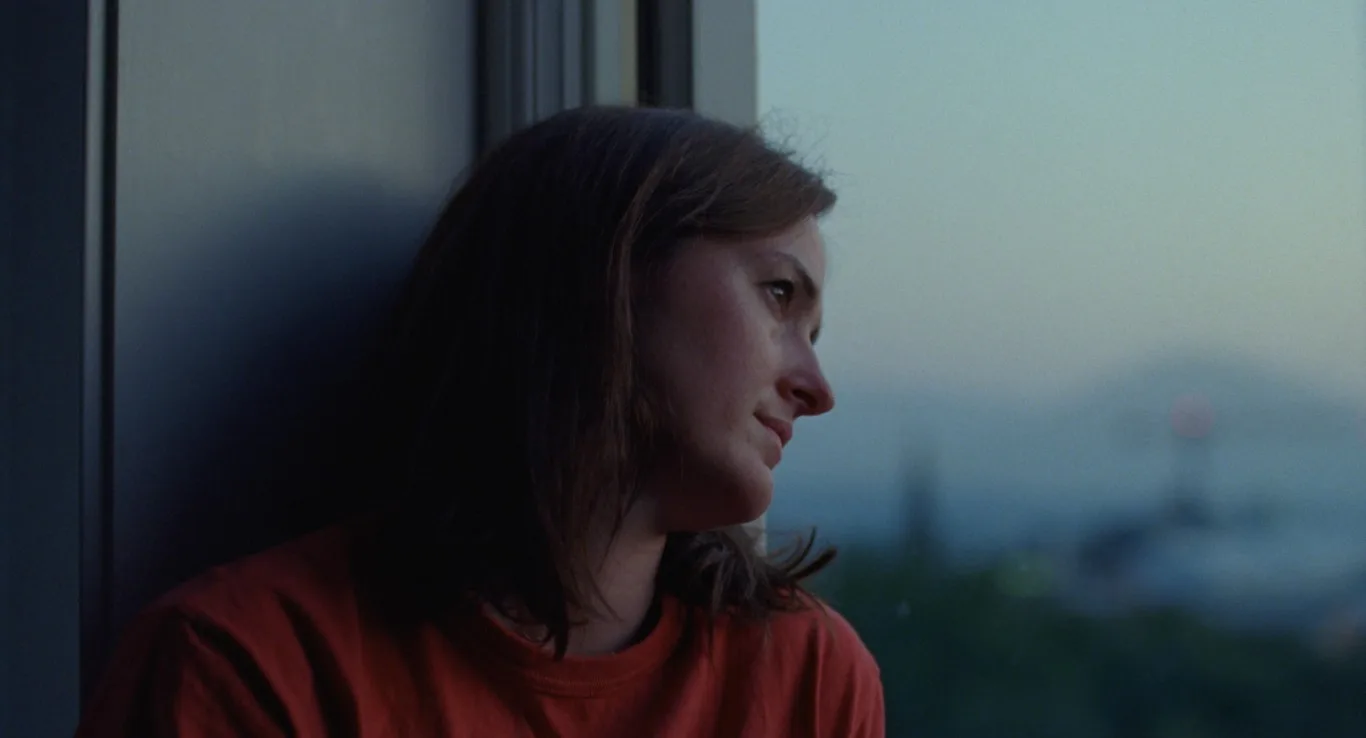
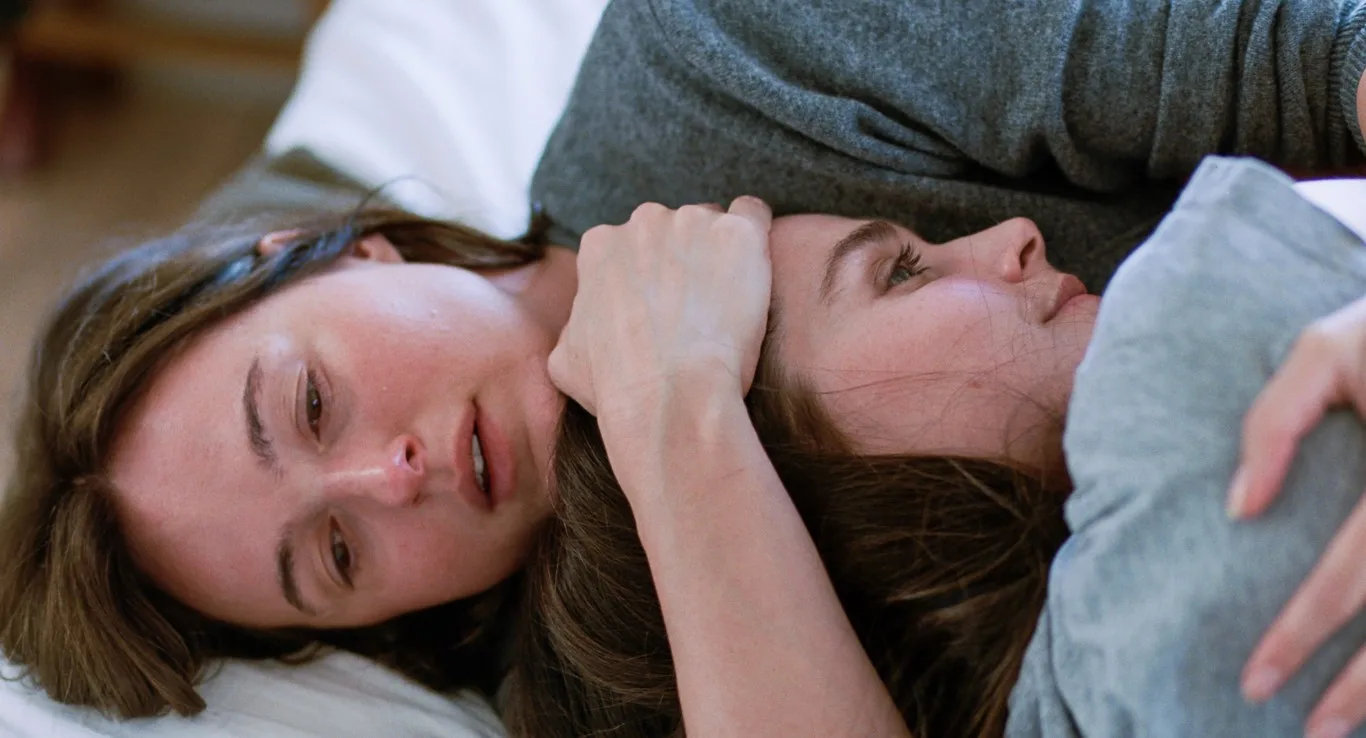
In my early and mid-teens in the 1970s, I was a loner jock/pop culture nerd who was obsessed with these pursuits:
Playing and watching baseball and football and to a lesser extent basketball, and consuming issues of Sports Illustrated and Sport and Baseball Digest, and reading books such as Roger Kahn’s The Boys of Summer, Jim Bouton’s Ball Four, David Wolf’s Foul! The Connie Hawkins Story and George Plimpton’s Paper Lion.
Watching late-night and weekend TV, especially talk shows such as “The Tonight Show with Johnny Carson,” “The Tomorrow Show with Tom Snyder,” ABC’s “Good Night America,” wherever Dick Cavett had landed in a given season—and the Chicago-based “Kup’s Show,” with the legendary Chicago Sun-Times columnist Irv Kupcinet presiding over an eclectic group of guests engaging in “the lively art of conversation.”
Movies. Movies movies movies.
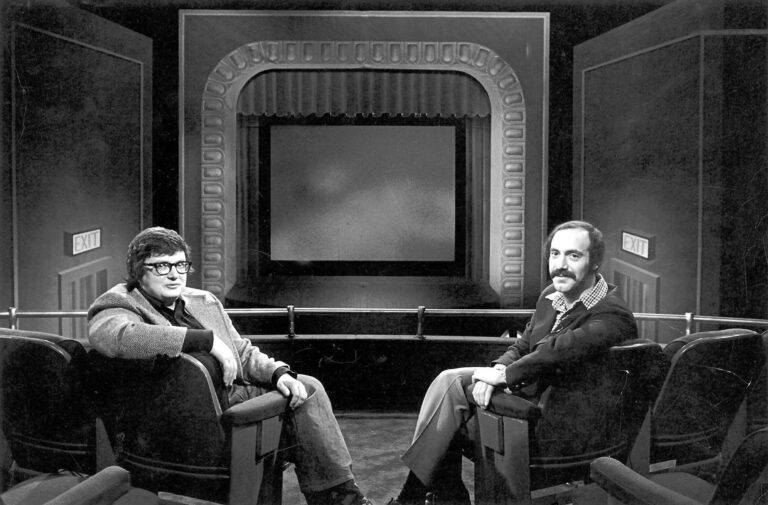
Then came a program that merged two of those three passions: movies and talk shows. At some point in late 1975 or early 1976, I became aware of “Opening Soon at a Theater Near You,” a monthly review program on WTTW-Channel 11. The show featured Chicago Sun-Times film critic Roger Ebert and Chicago Tribune film critic Gene Siskel talking about new releases in the low-key but instantly engrossing style that made you feel like you were eavesdropping on your two favorite teachers as they verbally sparred between classes. (Roger was 33 when the show debuted; Gene was just 29.)
It was great. I watched every week. I took notes. (I had piles of spiral notebooks back then, filled with scribblings about everything from stats comparing the 1927 Yankees to the mid-1970s Big Red Machine, to my ratings of various episodes of “The Tonight Show.” Like I said: nerd.) Conventional wisdom has it that Roger and Gene were awkward, unpolished and slightly geeky in those early years—and while there’s some truth in that, they were also pretty comfortable in their respective personas from the get-go, clearly knowledgeable and passionate about films, and respectful of each other’s opinions, even when they vehemently disagreed.
When I had the cash to see a movie at the Dolton Cinema or the River Oaks in Calumet City, I based my choices largely on Roger’s reviews in the Sun-Times (we were never a Tribune family, no offense)—and what Roger and Gene had to say on “Opening Soon at a Theater Near You.” It was a well-produced show from the start, but it also had a quirky, almost no-budget, enormously charming local public television vibe. The guys delivered insightful and sobering commentary on major films such as “Taxi Driver”—but they never took themselves too seriously, as evidenced by segments titled the “Dog of the Week” (with Spot the Wonder Dog) and later the “Stinker of the Week” (with Aroma the Educated Skunk), shining a harsh but playful light on terrible movies. As memory serves, in both cases, real animals were supplanted by plush toys. Easier to wrangle, I would imagine.
Fast forward to the 1980s and 1990s, when Roger and Gene were syndicated across the country. The review show was still must-see television for me—but as a talk-show geek, I was also a big fan of the Siskel & Ebert chat show appearances, including the grandaddy of them all, “The Tonight Show Starring Johnny Carson.” (Years later, Roger told me that when he and Gene were backstage at “The Tonight Show,” a producer told them Johnny was going to ask about the best movies currently playing in theaters—and they both drew a blank. From that point forward, whenever they taped a talk show appearance, a producer would be at the ready back at the Chicago offices in case they needed to make a call.)
They were great with Regis and Kathie Lee, with Oprah and Johnny and Jay and Arsenio, but best of all were the appearances with David Letterman, who recognized comedy gold in these fellow Midwesterners. Roger and Gene would come on and mostly talk about movies (the running joke was that while Letterman would have only one guest on at a time, he always kept two chairs on the set “for Siskel & Ebert”) —but they were also featured in comedy bits. They made quick cameos, gave their concession stand recommendations at a makeshift snack counter, and perhaps most famously, filmed a segment where Dave, Roger and Gene went door to door in New Jersey, cleaning the gutters at one woman’s house, playing a game of basketball in a driveway court, and even stopping in to pay their respects at a funeral home in West Orange. They had become such household names that when Michael J. Fox was on with Letterman to promote his movie “The Hard Way,” nearly an entire segment was devoted to Fox’s feelings about Gene and Roger and their respective reviewing styles.
It’s nearly impossible to overstate the impact Siskel & Ebert had on the careers of filmmakers, and on the popular culture. When they championed films such as “Hoop Dreams,” or did an entire show in black and white to decry the horrific practice of colorizing films, when they touted the works of Spike Lee and Errol Morris and Werner Herzog and the Coen Brothers, millions were watching and taking heed. At times, Hollywood players would take not-so-thinly-veiled shots at the lads. Roland Emmerich’s “Godzilla” had the incompetent “Mayor Ebert” (Michael Lerner) and his advisor, Gene (Lorry Goldman). In “The Ref,” where Richard LaGravenese had J.K. Simmons playing a deviant character named “Siskel” because Gene had said LaGravenese’s screenplay for “The Fisher King” was the least deserving of the Oscar nominees in that category in 1991. Gene and Roger were on “Saturday Night Live,” lampooned in Mad Magazine, on the Howard Stern Show, and were depicted in animated form on “The Critic.” They were as famous as the movie stars and directors they talked about.
Through it all, though, the Roger and Gene we saw in the balcony every week were the same guys who popped up on Channel 11 back in 1975. They never moved the production from Chicago to Hollywood. They never added unnecessary bells and whistles or gimmicks. It was two smart guys who loved movies sitting across the aisle from one another, speaking with passion and knowledge and savvy about the movies that would be opening that weekend at a theater near you. It was magic.
In Joachim Trier’s “Sentimental Value,” a once-revered Norwegian filmmaker struggles to mount a deeply personal project related to his family history, going so far as to attempt to enlist his estranged daughters—in defiance of their wishes—to help realize his vision.
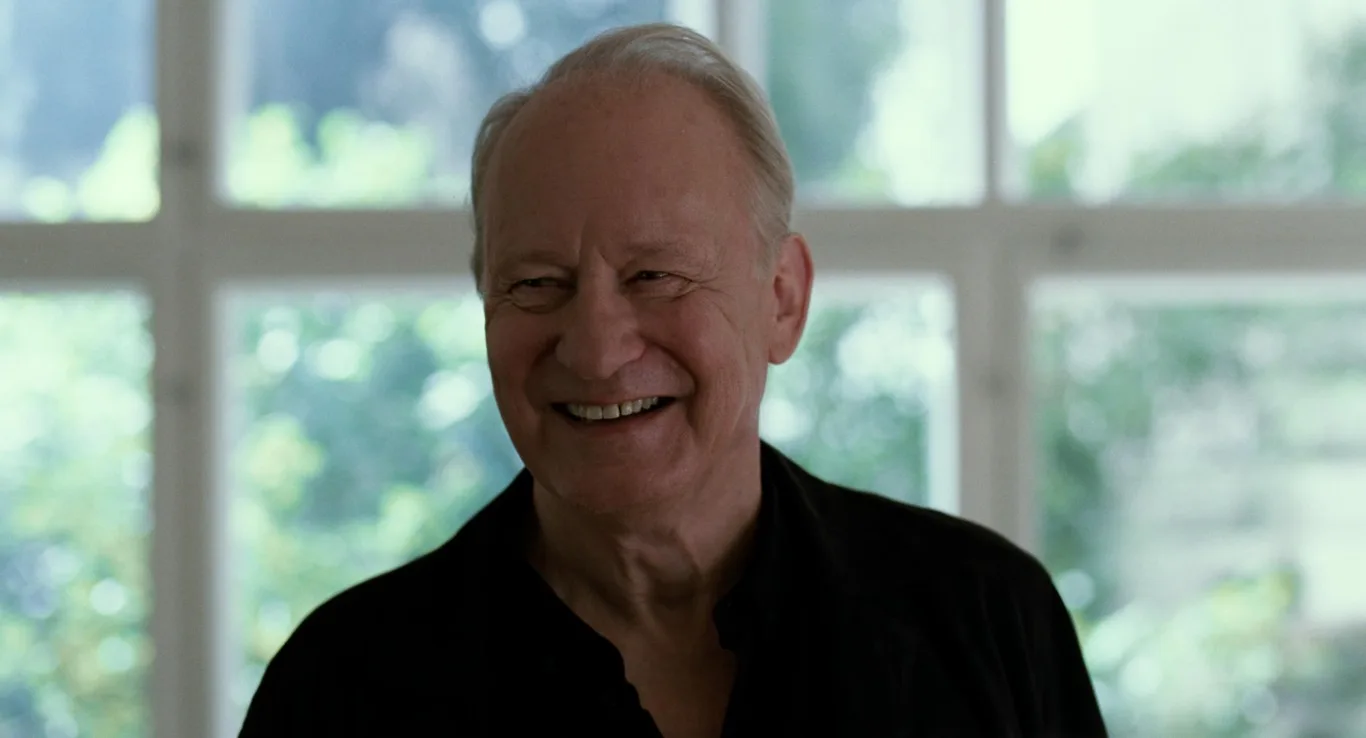
For Stellan Skarsgård, playing the filmmaker in question, Gustav Borg, was a uniquely rich opportunity; as his character grapples with the decades of distance from his daughters Nora and Agnes, both played with exquisite depth of feeling by Renate Reinsve and Inga Ibsdotter Lilleaas, he responds at first to their grief and resentment by avoiding it.
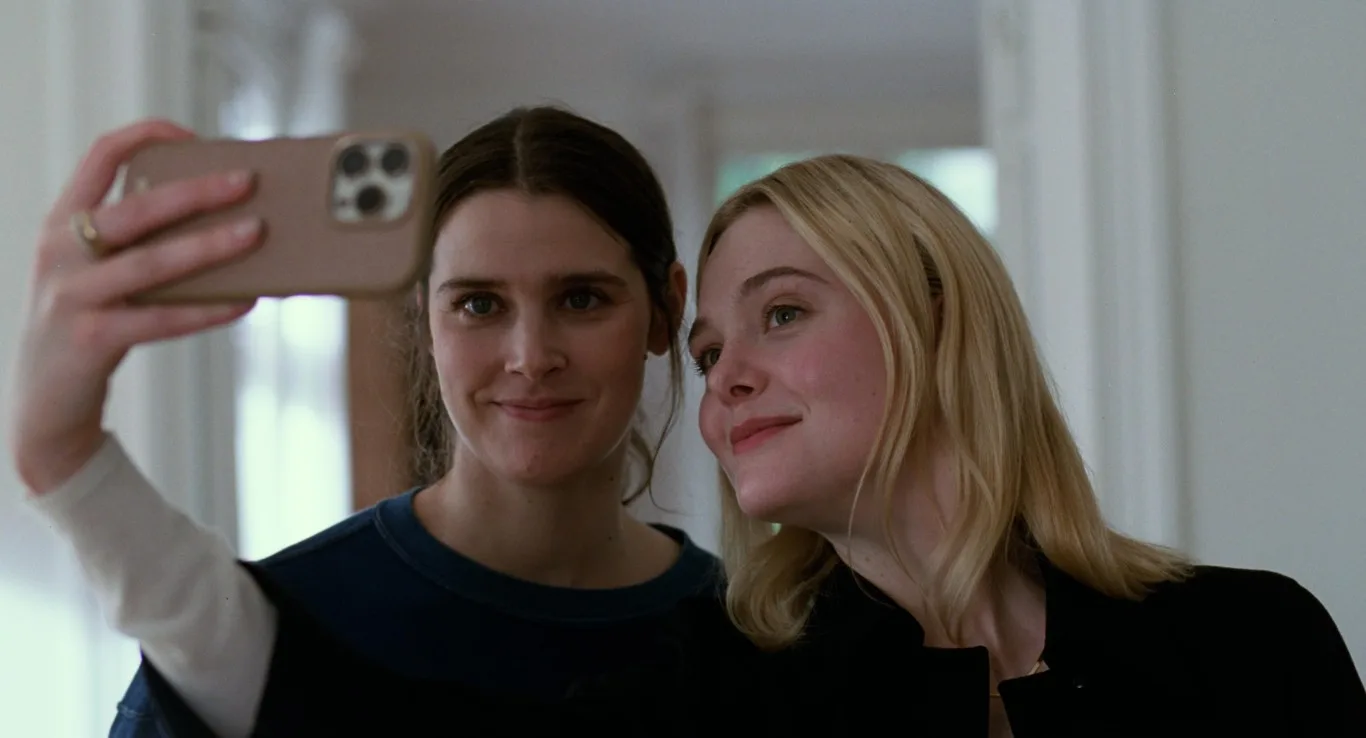
Instead, he proceeds with a new film about the death of his mother in the family home — where he intends to shoot it, even utilizing the office where she took her own life. Nora, his eldest daughter, is unwilling to play the lead role, so Gustav instead casts Rachel Kemp (Elle Fanning), an American ingénue he encounters at the Deauville American Film Festival, during a retrospective series screening the work—intensely emotional war-time dramas—that cemented his reputation as a European auteur.
In Trier’s film (now in theaters), the relationship between Gustav and Rachel, developing in unexpected directions as they work together to excavate the character he’s written, becomes a profound exploration of the strange, intimate alchemy that can occur between actors and directors, even as it also reflects Gustav’s struggle to reconnect with the daughters he once walked out on.
Trier never had any actor in mind besides Skarsgård for the lead role; desperate to cast him, he flew to Sweden and reportedly begged him to take the part. Sensing that the role would stretch his considerable range, the actor agreed. Fanning, meanwhile, came to Trier’s attention after a recommendation from Mike Mills, who’d worked with the actress in “20th Century Women.” An American actress on a Norwegian production, playing an American actress on a Norwegian production, Fanning added a metatextual layer to the story through her very presence, but that self-awareness compelled her to disappear further into the role of an actress lost in her career, desperate to experience more from the film industry than it has extended to her.
Taking a break from production in New Zealand on “Predator: Badlands,” Fanning flew to Oslo to rehearse with Skarsgård over a long weekend, where the two rehearsed together with Trier, working to mold their characters to better reflect their understanding of the roles. In between her commitments to the sci-fi “Predator” franchise, she was able to fly directly to Deauville and film her scenes there before carrying on to Oslo, where the actors further honed their collaboration.
With “Sentimental Value” now in theaters, Fanning and Skarsgård reflected on the unusual depth of their on-screen dynamic, the filmmakers they’ve felt truly seen by, their favorite moments of working together, and much more.
This interview has been edited and condensed.
This is such a delicate story. How did you find the connection between your characters—this young actress and this reclusive director—and the strange intimacy that grows between them?
Stellan Skarsgård: We’re actors, and actors do create an enormous intimacy—and a real intimacy—in seconds. But it only lasts for three months, and then it’s gone. [laughs] The intimacy was not a problem, and Elle is a fantastic woman, so it was easy to relate to her and play with her.
Elle Fanning: We’re both child actors, so we have that in common. We also started filming in Deauville, so the beach scenes where Gustav and Rachel meet for the first time were our first scenes together, which I think was a perfect starting point for our characters, to have that kind of spark and connection happen, then get to create from there. Like Stellan said, actors all speak the same language, and with a script this good and Joachim leading the charge, he cultivated that for us.
I’m curious what starting at Deauville, filming scenes set at a film festival, added for you in regard to the meta elements of making a film set in the world of acting that’s so often relevant to your lives outside of specific roles.
EF: We filmed during the film festival, while it was happening, with everything bustling around us. We had night shoots, and it was very cold in Deauville. As an actor, normally, I’m not used to shooting my first scene on the first day, or my last scene the last day, because you get used to shooting not in chronological order. But I do think starting in Deauville was helpful in that sense.
I also got to watch the movie that Gustav made, the clip of the film that Joachim actually shot; I got to watch that in real time in a theater, and it really struck me — because it’s very good. The girl, she’s so good, and it shows that Gustav is an amazing director, you know. Almost, in those moments, Rachel becomes a surrogate daughter. He’s able to open up to her and work with her in this artistic way that he can’t do in reality with his own children.
Rachel is definitely searching and longing for purpose; Gustav, he sees that in her. She feels almost like the light has shown on her; it’s something she’s wanted. She’s wanted an opportunity to showcase her talents, so she makes a bold decision to really go with him after their time at the beach, where they share a connection.
I always felt like Rachel probably hadn’t had that director-actor connection in that way before; that feeling, it’s a really special feeling, and I have gotten to feel that before, and I certainly felt that with Joachim, but we were trying to capture that.
SS: We started lighthearted. The scenes in Deauville don’t have a continuation, in a way. They’re standalone, like film festivals are. It’s a short party in the world of reality — and they’re irresponsible. Gustav has before had a scene been rejected by his daughter., so he’s down memory lane. He sees this retrospective of his films and meets this young, vibrant actress; he’s just enjoying it. He thinks he’s finished as a director, actually, and there’s a sad undertone to it, but that doesn’t affect his joy of spending the night with her.
In your careers as actors, when were the first times you remember feeling that type of intimate bond with a director, the sense of another artist really seeing you?
EF: I mean, I’ve been lucky. I’ve had it quite a few times, but also at different ages. I think the ages really matter, too — because it’s about at what age you need a certain thing. I worked with Sofia Coppola when I was 11, and she saw me. She was this cool aunt that took me under her wing and really valued my opinions, who didn’t talk down to me. That was something special.
I definitely can pinpoint a lot of people who have done that — certainly, with Joachim, it was a profound experience. He really sees his actors, and he has to — it’s the magic ingredient of what makes his films work so well, the minutiae of our faces, the small mannerisms and expressions. He’s able to capture those, because he creates such an environment that you know is safe, where you want to feel vulnerable, you want to express and be open. He encourages us to be spontaneous in a way, to react completely. He’s not afraid of silences, and you can see that in the movie. That’s my favorite type of directing. Now that I’ve worked with Joachim, I’m like, “Well… Can I go back?”
SS: I mean, there’s one director that I’ve worked with a lot in my life, who’s Hans Petter Moland, and we’ve collaborated on very different kinds of films. We’ve even been in the Arctic, and we’ve had a lot of fun together. Another collaborator is Lars von Trier, of course — the other Trier. He’s been so special and wonderful.
What they have in common, those directors, is that—in the case of all three of them—the set is a safe place. You can do anything on the set, and you’re not a tool; really, you’re a source of inspiration. You’re supposed to produce a mess of expressions, of different temperatures, which will lead the director to a lot of options when he fine-tunes it in the end and edits it.
There’s a heartbreaking honesty to so many of the conversations that your characters have, especially in the latter half of the film, around that idea of being potentially miscast, or realizing that you might not be on the same page in terms of your vision of a character, your place within a film that you’re working on. What were you able to bring into that part of the narrative, being actors with a great deal of experience? I imagine you’ve had to navigate that confusion before, in some way.
EF: It’s the heartbreaking element to Rachel: she’s so desperate for something that she’s miscast for, but she’s trying to find her way in. She starts to realize, over time, being amongst the family drama, and she starts to see the cracks and starts to actually have this immense empathy — to understand, possibly, where Gustav is coming from. But it is at the cost of what she wants, so she learns something. She’s very invested in the result of her career, of pushing forward; but, over time in the film, she has to take away that it’s really about the experience and the journey that she has.
Gustav awakens something in her; she later feels like she does have the confidence, and she does have the talent, but she ultimately knows, “I will walk away from this, but I will keep this experience with me, and that will make me a better actor and a better person.” There are personal things, for sure, that I can relate to in this — and, on a surface level, sometimes when you’re talking about a character with the director, you’re like, “Oh, we just see it so differently.” It can be a very confusing state to be in, when you want to do a good job.
Rachel quickly learns it’s not her; it’s his own demons that he’s facing, but he can’t say that. He doesn’t know how to say it. He keeps saying, “Well, it’s not about my mother,” because it’s really about his daughter. She comes to learn this and then does a really brave thing in walking away. But that changes her for the better.
SS: It’s a very important scene for me as Gustav, what we’re talking about, because it’s the first time he realizes it. He listens to her, and he hears her, and he realizes that maybe he wasn’t right. He’s been trying to project somebody else—his daughter, for instance—into this film, onto her. He says the one line: “I’ve let you down, and I’m sorry.” He sincerely means it. Gustav does not have much dialogue in it; Elle’s keeping the scene going, but, but his reaction to her—to her devastation—is wonderful to see, and it’s wonderful to play.
Elle, one of my favorite lines of dialogue in this film is one you say to Renate’s character, in discussing your struggle to understand your character: “The more that I study her, the more lost I feel trying to be her. It’s like her sadness is… It’s such an overwhelming part of her. It’s a beautiful theme. But I can’t tell if that’s just the cause or everything, or is it… a symptom of something deeper.” It’s a beautiful sentiment, in part because it gives us a sense of how Rachel approaches her process of trying to understand, of getting into her character. Tell me about finding your way into a form of the creative process that would be honest to your characters.
SS: It was crucial to find out what kind of director he was. What made it interesting, for me, is that he had to be an extremely sensitive director and an expert on expressing feelings in his words — as bad as he is in his private life, right? I’ve met several directors that are like that. They’re masters at expressing and explaining human feelings in their filmmaking, and they just can’t handle it in their personal life. Sometimes, it’s because the film work is an escape from reality for them, because it is manageable. That was my take on it. Of course, I did not want to have any sort of residual feeling of being cynical. When I go with Rachel as an actress, I go fully with her as an actress. I don’t know that I am trying to make her be my daughter.
EF: For Rachel, with that, she’s not used to working in that way. I think she’s someone who’s interested in the results. She’s academic when it comes to acting; she’s technical, and she has these big feelings inside of her but doesn’t know exactly how to portray them on screen. I mean, this is just something that I thought about. She’s like, “Okay, I know my lines, I’ve annotated this, I’ve done my homework,” but she hasn’t found that spontaneity.
The scene, when we’re doing the rehearsal, and she reads the monologue that Gustav wrote, something is really awakened in her. It takes her by surprise. I’ve had those moments before: of feeling like you’re on a set, but the emotion just comes, and it’s exhilarating. Normally, it’s caught on camera, although not necessarily in a rehearsal — but for Rachel, it’s a discovery in that rehearsal that she can go to those places. I think her relationship to her work really changes over the course of that scene, which was fascinating to play, because of that emotion. She’s very excited and giddy that she was able to have that.
Would each of you be able to share a memory that you look back on: whether with the experience of working with one another on this project, or with some moment where you felt like this project was enriching you as a performer?
SS: I think that was our final scene together. It moved me, in a real way, when it ended. It lingered, too. It’s something I could not process at the moment, but I experienced it. Elle was fantastic there.
EF: Thank you, Stellan. That was that day. That was a really special day. It was the culmination of the whole experience. For my character, it’s kind of her end, where he sends her off, and it was a very charged day. I think I came in with a lot of thoughts and emotions, and it took me to different places — but, always, I was looking into Stellan’s eyes.
For me, in Deauville, on the beach, there were a lot of dreamlike moments, where Joachim would say—without saying we were ad-libbing—that we could say what we wanted to say. It was about looking into Stellan’s eyes; playing this character, I found myself getting emotional and moved from completely seeing Gustav’s inner life: the devastation that he had felt, that he doesn’t know that he’s feeling, about the rejection from his daughter. All of that was completely there. It’s not necessarily in the lines, but it’s not acting any more, at that moment, and that was special for me, being taken on that journey.
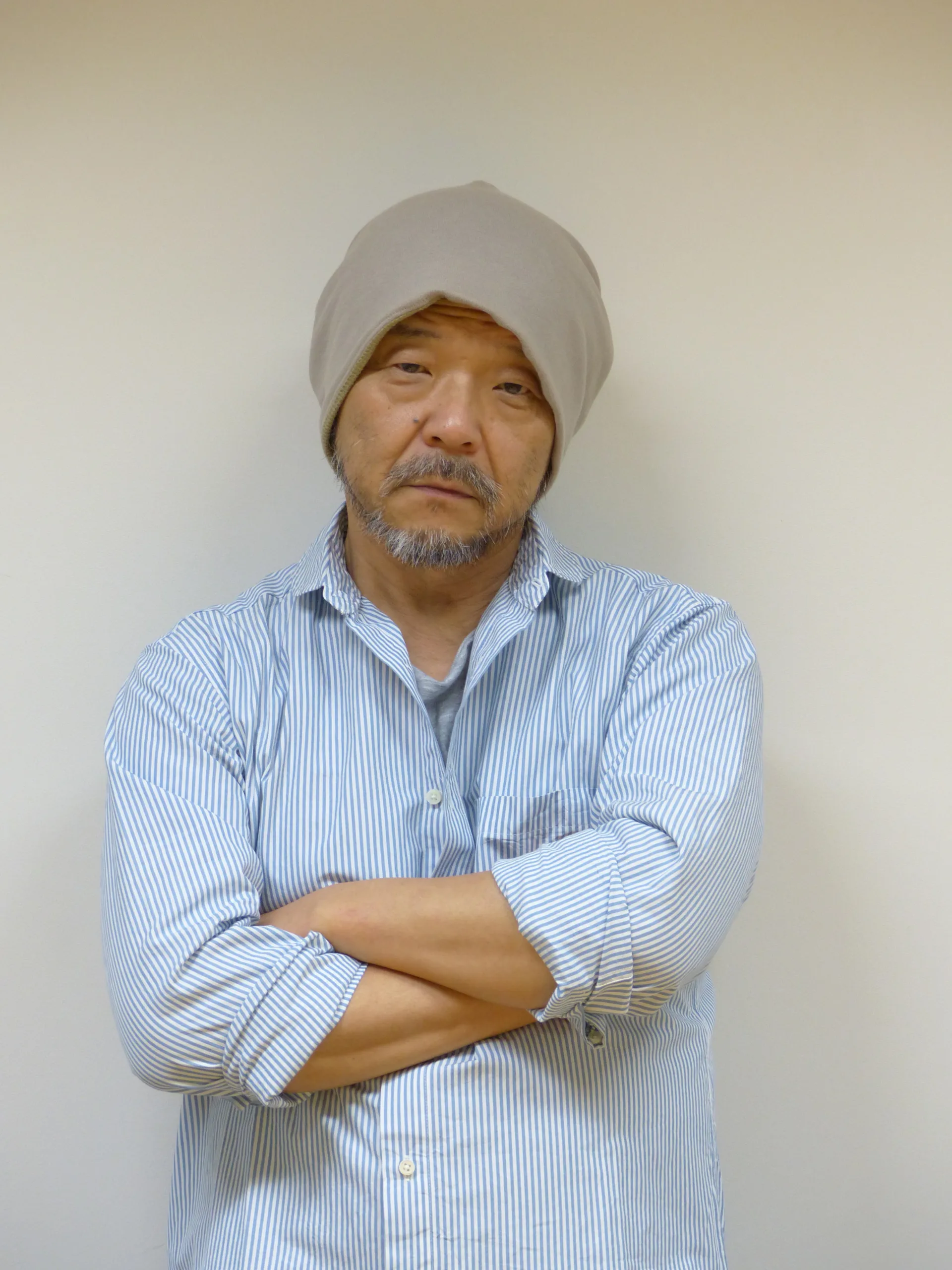
In a career retrospective talk at the 2015 Toronto International Film Festival, Mamoru Oshii spoke, if not regretfully, mournfully about “Angel’s Egg.” The legendary Japanese writer and director—who secured his place in animation history with “Ghost in the Shell”—said that his dreamlike, allegorical 1985 OVA film nearly killed his career: “After that, nobody gave me jobs for three years,” he said. He went on to describe the film as his “poor daughter,” the one who stayed home while his other films went out into the world and found success.
To extend the metaphor, now she’s all grown up and moving out of the house. “Angel’s Egg” was restored in 4k earlier this year, and since then has enjoyed a global run that included a premiere at Cannes in May and a homecoming at the Tokyo International Film Festival in early November. It’s played at a mix of festivals, from modest and genre-specific to high-profile gala events; this reflects the shifting status of Japanese anime on the global cinema scene, as it evolves from a niche interest into a global box-office phenomenon and a genre worthy of serious critical consideration.
“Angel’s Egg” is at the forefront of the latter, a cryptic, symbolically loaded work of art that’s better felt than intellectually understood. It combines Christian imagery with delicate hand-drawn animation, and a story that’s stripped down to its most essential elements. There’s a girl, devoted to caring for the mysterious egg she carries with her at all times; a boy, carrying a gun in the shape of a cross, who joins her in her lonely vigil; an empty, bombed-out city, a heavenly host frozen in stone, and a floating eye covered in black spikes that may or may not be God.
We spoke to Oshii over email shortly after “Angel’s Egg” screened in Tokyo, in advance of the film’s theatrical debut in North America this week, November 19th. And his answers were as intriguing and enigmatic as the film itself.
You’ve talked about the influence movies have had on your work—what ideas or philosophies drive you as a filmmaker, or just as a human being?
It’s not an ideology or a religious belief, but rather a kind of religious passion—perhaps something closer to a “fetish” or “libido.” It’s extremely difficult to explain.
What was the motivation behind incorporating Christian imagery like the cross and the“heavenly host” into “Angel’s Egg”?
I was never a Christian, but I was fascinated by the Bible and read it passionately when I was young. I’m certain that experience laid the foundation for my way of expressing metaphors.
What references or influences did you use when you were designing the backgrounds in“Angel’s Egg”—specifically, the abandoned city?
I’ve been drawn to abandoned cities since childhood, so I’ve definitely been inspired by photo books of that kind. I’m also attracted to Western architecture, which I think works beautifully in animation.
The characters and the settings in “Angel’s Egg” are abstract; they contain elements ofour world but are detached from our reality. How did this elemental quality affect thecreation of the film: the design, the storytelling style, and so on?
My goal was to convey the concept through the film while minimizing the focus on the characters and the story. The characters, as well as the story itself, are merely symbols—materials for visualizing metaphors. When I made this film, I believed it was possible to express that idea through cinema.
Is your personal interpretation of “Angel’s Egg”—or any of your work—relevant to us in the audience?
A “movie” is an imperfect form of expression in many ways—and I think that’s its greatest charm. I feel a film truly fulfills its purpose only when it’s being discussed and talked about.
As temperatures drop, the promise of a guilty-pleasure thriller about a mysterious man who infiltrates a family with the intention of destroying its patriarch is an enticing invitation. With two episodes set on the shores of a Grecian vacation home, a beautiful cast, and a twisted mystery at its center, Prime Video’s “Malice” should draw the attention of viewers who have made streaming series like “The Hunting Wives” on Netflix and “All Her Fault” on Peacock into hits.
Everyone loves a good piece of escapist nonsense—shows in which the plot threads and character motives don’t have to ring true as long as they entertain. And yet, even the guilty pleasure has its breaking point and can vary in quality. When done well, we don’t mind irrational behavior and inconsistent characters in the name of thrilling twists. When done poorly, we get “Malice.”
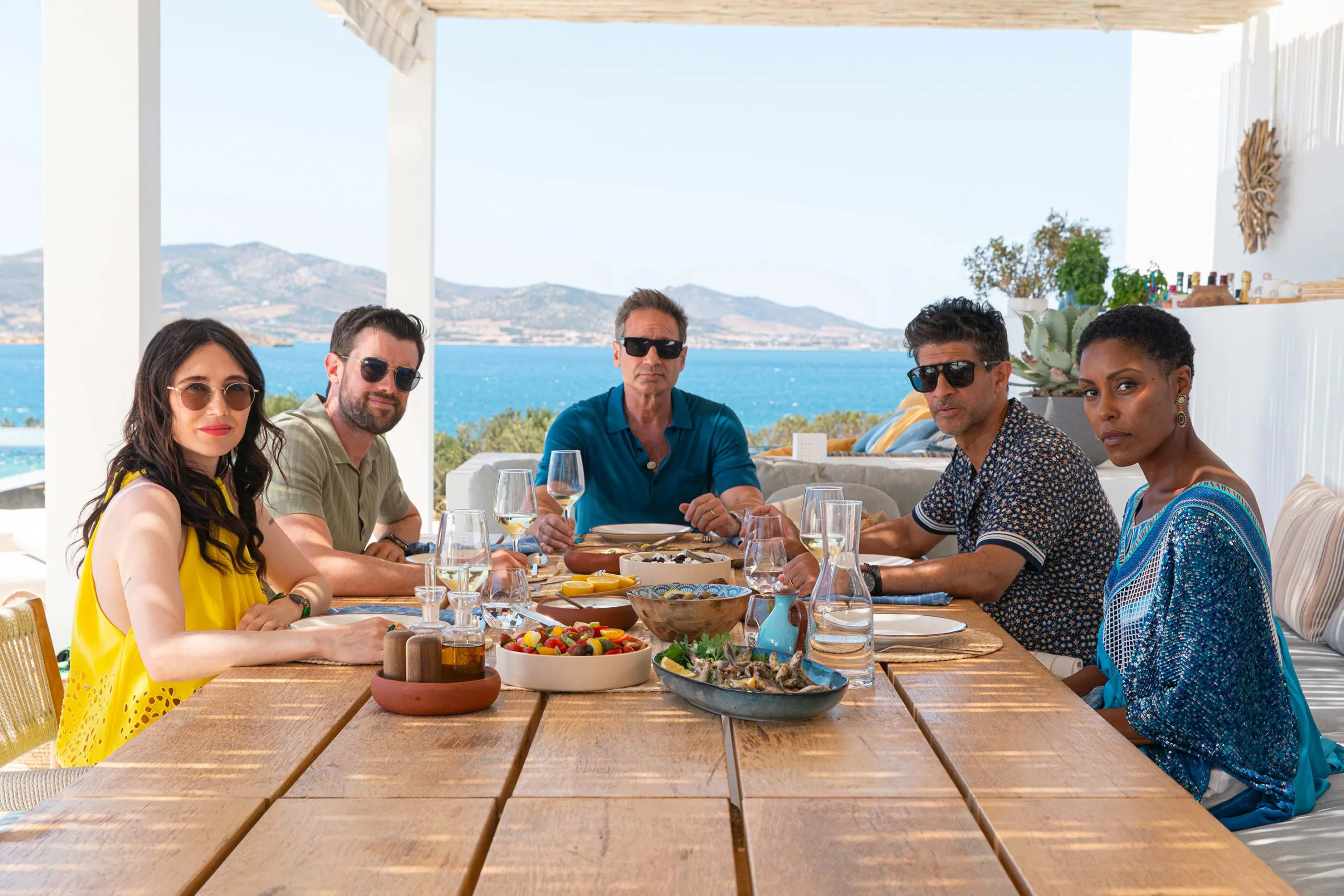
Creator James Wood’s six-part series opens in Greece at the gorgeous vacation property of the Tanner family, led by the charming Jamie (David Duchovny). From the beginning, the writers drop narrative crumbs about Jamie’s past and personality. He’s a bit abusive and bullying to his son, and asks people to stay off social media, implying that maybe there’s a scandal about to burst. Almost hysterically, numerous “clues” dropped in the first couple of episodes just disappear, as if the writers forgot to weave them into their incredibly inane final act. What’s the opposite of a Chekov’s Gun? What do you call it when a playwright puts six loaded guns on a table and then forgets they’re there?
Anyway, we also meet Jamie’s wife Nat (Carice van Houten of “Game of Thrones”) and watch as Nat’s BFF Jules (Christine Adams) arrives at the Grecian mansion with her husband Damien (Raza Jaffrey), their son, and the family tutor Adam (Jack Whitehall). From the beginning, Adam is clearly the villain of the piece, a sort of Tom Ripley figure who has worked his way into Jules and Damien’s family just to get closer to Nat and Jamie. How do we know this? He tells us. And not through narration. “Malice” is the kind of show wherein Adam drops off a passed-out, drunk Jamie one night and tells him that he could kill him, but has chosen to destroy him instead. We get it.
(L-R): Nat Tanner played by Carice Van Houten. Adam played by Jack Whitehall, Jamie Tanner played by David Duchovny, Damien played by Raza Jaffrey and Jules played by Christine Adams
The most significant problem with this “Ripley”-inspired tale of a suave conman who tries to destroy the life of a wealthy businessman is that Tom Ripley needs to be charismatic and brilliant. We need to believe that smart people would let him into their inner circle in a way that would lead to their destruction. This simply never happens with Adam Healey, a character whom Whitehall plays like an obvious sociopath. He’s dead behind the eyes, which could be a choice to amplify how his quest for vengeance has destroyed him on the inside, but it also means that no one who has built a business from the ground up would leave him in their house alone, or around his children, or around his wife, etc.
And yet there are tiny little choices that will keep viewers with “Malice,” including a convincing performance from Duchovny as the kind of man who often ignores the harm done by his business choices. He’s casually selfish in a manner that can be convincing and could have made his Scrooge-esque downfall into thrilling television if Wood and company had the courage to really follow through on that idea.
Without spoiling, Adam’s plan to destroy Jamie’s life, and his motives for doing so, are so half-considered by the writers of “Malice” that they culminate in a finale that has no narrative or thematic conviction. It’s a show that never figured out where it wanted to end, and so picks one that could work as well as any other. The revelations and final choices feel so casually considered that they collapse under any sort of analysis. It doesn’t leave one marveling at the arc of a villain or even a victim, just feeling mistreated by bad TV.
Whole season screened for review.Now on Amazon Prime.
A profoundly moving portrait of a family reckoning with the painful memories embedded deep within the walls of their ancestral home, Joachim Trier’s “Sentimental Value” finds the filmmaker reflecting once more on the existential themes—of time, love, identity, and history—that have abounded throughout his career.
The film reunites Trier with Renate Reinsve, a Norwegian actress whose performance in “The Worst Person in the World” earned her the award for Best Actress at the Cannes Film Festival; as a theater actress revisiting old wounds, her performance—opposite that of Inga Ibsdotter Lilleaas as her younger sister—distills the kind of agonized emotional clarity that has governed Trier’s recent work.
Stellan Skarsgård stars as Gustav Borg, their father and a once-celebrated filmmaker whose efforts to repair his relationship with his two daughters are complicated by his interest in revisiting his own, fraught familial experience—including the suicide of his mother, who suffered during World War II during Nazi occupation—factors into this recent work. For Trier, the film is deeply personal; his maternal grandfather, Erik Løchen, worked as both a jazz musician and one of Norway’s better-known filmmakers, and his presence is directly felt in “Sentimental Value” through the voiceover narration of Bente Børsum, who appeared in Løchen’s “The Hunt,” as well as through the film’s extended exploration of filmmakers channeling angst through their work.
Ahead of “Sentimental Value” opening in theaters, Trier sat down for a wide-ranging discussion of his film’s poignant themes, the challenges and joys of working with time, his unique personal connection to this story, the inescapable influence of Ingmar Bergman, and much more.
This interview has been edited and condensed.
I’ve always felt that you identify so strongly with your characters—that the empathy of your filmmaking flows from your impulse to understand and connect with them. You come from a film family, and I’m curious about drawing on that personal experience in shaping the characters of Gustav Borg, his daughters, and Rachel Kemp.
It’s true. I think the idea of identification comes first from a writer’s point of view, then from a director’s, and finally from a collaboration with the actors. I need to understand them and identify their yearnings and their struggles. But that’s not the same as saying that the characters are biographically like me, or that you don’t need to vary up the characters. Still, this is a polyphonic kind of story, and so it’s nice to have that identification.
For example, Gustav is a film director. As you say, absolutely correctly, I come from a film family background. Without him being anyone I know, I understand the struggles and the joys, the passion for making films, so I identify with that—and also the anxiety, perhaps, that it will come to an end, that “one day they won’t let me,” which is what he’s going through. But this film was also about having characters like the younger sister, played by Inga Ibsdotter Lilleaas, who was in Gustav’s film as a child and certainly didn’t want to be in front of the camera again—something completely different.
With her, for example, I found this identifiable point: she wants everyone to connect and feel good. I have that in me. I always want people to get along. You do find something with all of them, after a while, when working on them. But the last thing I’ll say is that I don’t want to hinder the possibility of the actors coming in and taking charge of the characters. It’s good to leave an open space for them to fill in, as well.
The term you use, “polyphonic,” refers specifically to sound. I’m curious about your creative relationship to music, score, and especially sound design, as this was your father’s craft. Your film opens and closes with two wonderful tracks, Terry Callier’s “Dancing Girl” and Labi Siffre’s “Cassock Chase,” but how do you think about the role of sound design in your filmmaking?
Thank you very much for asking that. I really care about it. When I talk to friends about using music in film, I also tell them that one of the joys of life is the system of loudspeakers and the richness of frequency you get in a good cinema. It’s the best sound you’ll hear anywhere in the world. It’s a super hi-fi, complex, surround-sound experience. I feel that sometimes filmmakers forget how subtle you can be while still including a lot of sound and using the full range of frequencies. Hammering, loud sound doesn’t necessarily use the possibilities of a theater.
That’s something I think I’ve learned from my father: that you can create what feels like silence but is actually a full sound design of atmospheric subtlety. I love loud pieces of music; I love noise, but I also love the dynamics of daring to be quiet and gentle with sound. It’s almost like you draw the audience into the image by being very cautious about sound in certain areas.
For example, towards the end, there’s an almost climactic scene between the two sisters, full of emotion and action. And there’s no music. I tried to really build towards that feeling of presence: being there, hearing the breathing, all the movements of clothes. That can ultimately be so strong. Sometimes, when it comes to people talking about sound, they always talk about the loud films—And I think that the opposite could be equally complex and interesting.
Everyone has a childhood home, a place where they grew up; this film explores the poetics of such a location. You’ve referred to the house as a “witness of the unspoken.” But there’s an emotional residue in the house’s atmosphere; it reflects all this lived experience. What can you say about first conceiving of the house and its presence, and of mapping your story onto this setting once you had a physical location?
First of all, our spatial treatment of the narrative—to refine it so that it fit the space—was an exciting, visual task. When we write, Eskil Vogt and I write for the image in a way, and for the actors, but I think the sound aspect is really interesting as well.
Hania Rani was our wonderful composer; this was the first collaboration I’ve had with her. She wanted to go to the house and record its reverb and other sonic qualities, which, to me, was fascinating. I’ve never had anyone think like that, but she said it inspired and affected her approach to reverbs for certain pieces of music as well. The idea of sound always being present is very interesting to me.
And to elaborate on that spatial treatment of the narrative, this film required characters to move between rooms and down corridors, and it needed a location with a room that could be dressed to play different roles over time. We first see Nora enter the house through what had been her mother’s psychology office, where there’s still an empty chair… How much did the story change once you had a location, and how much did the narrative dictate the location you were looking for?
It was a bit of both. The first draft contained pretty much the story you see in the film, but the relationship between the upstairs and downstairs—and that hallway corridor towards the room where such dramatic events we realize throughout the story had occurred, all of that repetition of angles that is so fun to play with in movies—I think this house really gave itself to that. Along with our wonderful production designer, Jørgen Stangebye Larsen, we also built a replica of the house. In addition to shooting in the real house, we had a studio version so we could go between them.
The studio version got dressed for every 10 years of the 20th century, with different wallpapers and different moods. A lot of that was done through research; we also had in the studio these VP walls—virtual production walls—where we created an exterior, based on research, photo-realistically showing how foliage grew over time and how buildings were erected suddenly as others disappeared. We drew a map of time through the house and its surroundings.
You actually built a replica of the Borg family house on a soundstage to film a montage of the house across generations. What effect did that have for you, given the relevance of that filmmaking technique to the story? Gustav is so fixated on filming this deeply personal story in the actual house where so much has happened.
I’m primarily a location director, so I always feel it’s wonderful to look out the window and receive a gift, as something will happen that makes it feel close to life. But, actually, with the team we had, the studio experience was wonderful, as was the feeling of being able to create specific moods with a lot of control. So, control and chaos were both alive in this process, in new and unusual ways for me.
The replica house made me think about how directly you depict time in this film. How has your temperament toward dealing with time, which you’ve described as one of the primary aesthetic considerations a filmmaker can have, evolved with this film?
It’s such a great question, and it’s an essential one to the core of this story. The aspect of time begins with the film’s opening, which shows Nora, the eldest daughter, and her essay on the house’s perception of her family history. It’s the idea that, for the house, a human life is very short, because the house is a constant, in a way; it’s this longer, lasting structure. I thought that was a nice setup for a story about reconciliation, where the adult realization of the sisters that they’re not going to have their father around forever—even though he’s a complicated character—means they, in their own individual ways, have to reconcile their relationship with him.
That’s one aspect, but it’s also a possibility to put the idea of social history into context when we realize through the film that the Second World War and the Nazi occupation of Norway were affecting the lives of families, and many people’s lives, in ways that still impact us. Many people say that a war trauma takes three generations before it lets go. For people who haven’t seen the film yet, that’s not in the forefront of the story, but it’s there in the house, and the idea of the house witnessing life helps us tell that story.
It’s Agnes who seeks out more knowledge about her grandmother’s experiences during the war, and this has a profound effect on her. It’s my understanding you’ve personally been through that process of tracing your family history back into that conflict.
My grandfather was in the resistance during the war; he was captured and spent time imprisoned by the Nazis across two different camps, and he was very traumatized by that. He made films after the war, and I think that was a way to survive and find a place in the world again. He was creating something and seeking meaning in it.
I think that’s at the core of the process of making this film for me, but also the idea of the National Archive, the accounting of facts in a society, is fundamental. It’s a different narrative from the fictional one of the National Theater, where the older sister works; it’s the historical aspect of how necessary it is for democracy and society to hold themselves accountable to facts.
I found, through a piece of paper, a witness to the accounts of my grandfather’s imprisonment. It’s provable. No one can deny there’s proof that a terrible thing happened to him. With where the world is right now, that’s a very important thing to remember: that we need to learn from history. And I think the film asks this question of the ambivalence of history and memory. On one level, we need to forget, to forgive a difficult parent.
On the other hand, we owe it to the past to remember certain things, not to repeat those faults. And we owe it to the people who experienced certain things. That’s the space where we live in time, in between those two notions.
It’s better to live in impermanence than in any kind of finality, in how we reconcile with the past.
Life is a process—and making films is a process. Now that I have talked a bit about this film, and you’re asking me about memory and time and our relation to it—and also the process of making a film—there’s always that retrospective narrative that now is slowly being created as I’m talking to journalists.
But it’s a narrative that will never quite mirror the process, because in making it, you’re lost along the way. You think it’s about something, then you discover something else. It’s ongoing, but it’s nice, at the end, to try to summarize: “What the hell did we make?” and to meet people who can mirror it back to us.
To bring Gustav into that theme of excavating memory… Nora works within the theater, and Agnes explores the archives. As we see in Deauville, during a retrospective of his work, Gustav has been speaking through his art, making films like the one whose ending we see: a wartime drama about an orphan’s ordeal. What is he reckoning with?
“Anna,” yes. We thought a lot about that, actually, since we knew that Gustav is a character who’s quite clumsy at relating to people socially, particularly his family and his daughters, but whom we realize has a more sophisticated, emotionally engaging way to create art. It was very important that those films expressed some aspect of him; in the piece of his film we see, though more pieces didn’t make it into the final cut, the ending of “Anna” obviously deals with some sense of survivor’s guilt.
We later realize perhaps why that is a major theme with him. It was important for us to use everything in this film to get into character and to explain the layers of observation about human beings’ incapacity for communication, while still revealing them. That was an interesting way into him, the films.
Gustav speaks through his art in a way that he cannot in life; with the film he wants to make, it’s about his mother and his daughter, but it’s also about him. He’s trying to express something deeply personal by speaking through them. But one wonders whether he wrote this script specifically to bring about personal reconciliation, or whether he wrote it to revitalize his career because he knew it would be creatively stimulating.
My feeling is that you have a really great understanding of the complexity of that in your question, and I’m almost hesitant to answer, because I think you’ve put it very beautifully. There are a lot of different things going on with him, I think you’re right. It’s interesting for the audience to consider whether Gustav’s primary urge is reconciliation. Does he want to do something with his daughter? Or is it primarily just wanting to make a film? Or is it mainly to resolve his relationship with his mother and the trauma around her death? Or is it everything, and he’s confused, and he doesn’t know, and he doesn’t quite have to know, because at the end of the day, he knows how to craft a movie, and that’s what he does? All of those things could be playing out at different levels of his psyche at the same time or at different times.
Tell me about your relationship with both Eskil Vogt, your co-writer, and Olivier Bugge Coutté, your editor. You’re long-time collaborators. How do you work together?
Those two are people I’ve worked with since my short films and have made all six features with. I think Eskil is a starting point, then he leaves the project for a while, and I go and direct it—he’s not very involved at that point—and then, halfway through the edit, Olivier and I feel we have reached a place where we need feedback, so we show it to Eskil, and he comes back in. We sometimes have terrible arguments, but we always end up friends, all of us.
Olivier is all about what is actually at play in the material, and what the best version is now, while Eskil sometimes reminds us of the thematic complexities we shouldn’t lose. I’m the director in the middle, trying to listen as skillfully as I can to these smart people, to try to get it to land in the right place. It’s one of the most exciting things to have collaborators you’ve worked with for a long time. You have shorthand, so you can go deep quickly and get into the core of the challenges every new film will automatically present. It’s tricky making films and getting the balance right. That’s the art of it.
To the point, I felt your use of close-ups on your actors’ faces was beautifully balanced in this film. I know that’s been a fascination of yours through your career—and I love this film’s reference to “The Piano Teacher,” a film featuring one of the most unforgettable close-up shots: at the end, her with the knife. What’s the secret to maintaining that kind of proximity with actors, and what’s your process of knowing when you’ve found what you’re looking for in an actor’s expression?
I sit next to the camera and have a handheld monitor to check the frame, but I look at them with my eyes and try to feel what’s going on. That’s the best way of judging it. There is a very inspiring clip of Ingmar Bergman on set for one of his last films, in which an actor questions whether they got it right. And Bergman says something along the lines of, “Well, I felt it, and I don’t squander emotions with you guys. Let’s move on. I’m sure we could do a million other great versions, but I felt it now, so I’m done with this. Let’s move on.”
At the end of the day, we try a lot of variations, but if I feel that we’ve explored it properly, it’s not a rational thing. You’ve got to trust your gut and say to the actor, “I’m really pleased with this. Thank you. You gave me a lot of your experience of the scene. Let’s move on.” And that’s the art again: when do you call it? There’s a programmatic side to it, of course, having limited time and all that. But I felt that, in this one, we got to explore the material at hand deeply. I’m very grateful and happy for that.
I’m glad you brought up Bergman. One film I sense reflecting into this one, and not just because of the family Borg, is “Wild Strawberries.” I’m curious about how film influences you. But to frame that question more expansively, “Sentimental Value” is narrated by the Norwegian actress Bente Børsum, now 93, who worked with your grandfather on “The Hunt.” How did you think, with this film, about working with both your own family’s history and this larger lineage of Scandinavian cinema?
There are a lot of interesting things to talk about there. I’ll start with Bente, and then go to Bergman. Yes, Bente played the lead in my grandfather’s 1960 film, “The Hunt”; both were very young. It was her first lead role. It was his first film.
Long story short, I actually have a gym close to my house where there are a lot of old people present—a physiotherapy center, really—where it’s cheap to go and work out. And I went there and suddenly felt very young amongst all the old people; suddenly, I realized that Bente Børsum was there. I’d just met her briefly, but we got to know each other. We met there on Sundays, sometimes during our workouts/ I thought, “What a magnificent chance to work with her.” I never really had a part I could offer, but I could do the narration, and it suddenly clicked that she knew my grandfather.
She also has this beautiful narration about Agnes going to the National Archive, which you and I spoke about earlier, and she could talk about those things with great authority, as her mother was captured during the war. I know that’s a very dear theme to her: the grief and woundedness of the war, even though it was so long ago, she still carries that. That was a really wonderful thing, to have a little homage back to my grandfather’s first film.
When it comes to Bergman, I am very happy you brought up “Wild Strawberries.” That’s such a gentle yet deeply melancholic film about an old man asking questions of whether he lived the life he was supposed to. Did he connect, or why didn’t he connect with certain people? I think that’s very relevant to Gustav’s story.
It’s hard to talk about Bergman because he’s at play in so many indirect and unconscious ways for me, I’m sure. It’s always a problem when I say at home that Bergman inspires me; everyone wants to take me down a notch. “Oh, you’re not Bergman. He was much greater.” I’ve had a couple of asshole critics who are, like, “Oh, he thinks he’s Bergman.” I never thought I was anything. Ozu from Japan inspires me, as do many American filmmakers, as well as Bergman.
It’s just the ongoing process of being a film lover and seeing what film is capable of, trying to take that energy and bring it somewhere else. I think that’s unavoidable—because I’m Scandinavian, everyone thinks it’s Bergman, and that’s not a lie, but it’s so many other things as well, is my point. [laughs]
“Sentimental Value” is now playing in select theaters, via Neon.
News: U.S. and World News HeadlinesNPR news, audio, and podcasts. Coverage of breaking stories, national and world news, politics, business, science, technology, and extended coverage of major national and world events.
Michigan Democratic Senate primary winner Abdul El-Sayed speaks during a press conference in front of the Spirit of Detroit statue on August 05, 2026 in Detroit, Michigan.
Finn Gomez/Getty Images
Finn Gomez/Getty Images
What do Tuesday’s primaries signal about where the Democratic Party is headed?
Then-Prime Minister Sheikh Hasina speaks during a press conference in Dhaka, Bangladesh, on Jan. 6, 2014.
Rajesh Kumar Singh/AP
Rajesh Kumar Singh/AP
Dr. Erica Schwartz, who appeared before the Senate Health, Education, Labor and Pensions Committee in July, was confirmed Wednesday as CDC director.
Finn Gomez/Getty Images
Finn Gomez/Getty Images
Dr. Erica Schwartz confirmed as CDC director, a new leader for a beleaguered agency
A Palestinian scans a valley with a flashlight as people gather around a bonfire during a volunteer night watch to help prevent Israeli settler attacks in the West Bank town of Sinjil, Monday, July 27, 2026
Leo Correa/AP
Leo Correa/AP
Israeli settler activity increases in the West Bank
FA: Eric Lipton
Stewart Rhodes, founder of the far-right Oath Keepers militia group, attends a hearing with the House Select Subcommittee on January 6th in January 2026 in Washington, D.C.
Heather Diehl/Getty Images
Heather Diehl/Getty Images
Motorcyclists navigate through a road barricaded with concrete blocks set up by supporters of the outlawed Joint Awami Action Committee (JAAC) during a protest demanding greater political rights and the abolition of 12 legislative refugee seats, in Muzaffarabad, the capital of Pakistan-administered Kashmir, Saturday, Aug. 1, 2026.
M.D. Mughal/AP
M.D. Mughal/AP
Kalsang Lhamo, a 73-year-old retired nurse, practices Tibetan calligraphy at the Chengguan District Day Care Center for the Elderly in western China’s Tibet autonomous region on July 20, 2026, during a government-organized visit for foreign journalists.
Ng Han Guan/AP
Ng Han Guan/AP
People vote in the primary election at Northwestern High School in Detroit, Tuesday.
Nic Antaya/AP
Nic Antaya/AP
A U.S.-made MIM-104 Patriot surface-to-air missile is launched during a live fire exercise at the Chiupeng missile base in Pingtung County on Aug. 20, 2024.
Sam Yeh/AFP via Getty Images
Sam Yeh/AFP via Getty Images
Primary Election Results, US Missile Stockpiles Running Low, New Flu Vaccine
Firefighters put out a fire after Russian missiles hit a warehouse in Kyiv, Ukraine, Wednesday, Aug. 5, 2026.
Dan Bashakov/AP
Dan Bashakov/AP
Voters go to the polls to cast their ballots in the Michigan primary election on Tuesday in Lansing Mich.
Bill Pugliano/Getty Images
Bill Pugliano/Getty Images
The FDA allowed some Zyn nicotine pouches to be marketed as “lower risk” than cigarettes.
Michael M. Santiago/Getty Images
Michael M. Santiago/Getty Images
Like many miners with advanced black lung disease, Tim Balthis looks healthy, sitting with his wife Fran Balthis on their porch in Pound, Va. But a scan of his lungs shows so much fibrotic tissue a doctor told Balthis he was surprised he was still alive.
Roger May for NPR
Roger May for NPR
Appalachia’s black lung rates highest in nearly 50 years as miners’ protections stall
Jackie Lay
World Tour 5: Sand heists and property rights in the Caribbean
Jackie Lay
World Tour 5: Sand heists and property rights in the Caribbean
Should you pay for Instagram Plus?
Getty Images/Getty Images
Getty Images/Getty Images
The questionable new ways to surveil your friends
A barber cutting hair in his barbershop located in the Little Haiti neighborhood of Miami, Florida.
Joe Raedle/Getty Images
Joe Raedle/Getty Images
How ending TPS is squeezing workers, businesses and (soon) consumers
Xinhua News Agency / Zeng Dong/Getty Images
SCI POD – Twinkle encore
Los Angeles FC co-owner Larry Berg has been tapped to be the next commissioner of Major League Soccer.
Richard Drew/AP
Richard Drew/AP
The entrance to Trump National Golf Club Los Angeles in Rancho Palos Verdes, Calif., July 2020.
John Antczak/AP
John Antczak/AP
A view of the Nasdaq MarketSite after SpaceX company executives rang the opening bell to celebrate the launch of SpaceX’s initial public offering (IPO) in New York on June 12, 2026.
TIMOTHY A. CLARY/AFP via Getty Images
TIMOTHY A. CLARY/AFP via Getty Images
SpaceX’s revenue rises as its once-soaring stock price drifts back to Earth
U.S. Navy/Getty Images
What are the implications of a shrinking supply of U.S. missiles?
Israeli jeep patrols along the ceasefire line with Syria in the Israeli-occupied Golan Heights, southwest of Damascus, on June 6, 2011, the day after Syrian protesters trying to breech the line were shot at.
Jack Guez/Getty Images
Jack Guez/Getty Images
A trip to the world’s frayed edges with Hannah Lucinda Smith’s ‘Hinterlands’
Best pepper spray} {is used|is utilized|can be used|is commonly used} {all over the world|around the globe|worldwide|around the world} by {ordinary|regular|common|everyday} {people|individuals|folks|men and women}, {law enforcement|police force} {officers|officials}, {and even|as well as|and also|and in many cases} postal {workers|employees|staff|personnel} to {ensure and protect|protect and ensure} their {safety|security|basic safety|protection}. {It is also one of the best self defense tools you can use because it allows you to protect yourself at a safe distance from threats such as {muggers, carjackers and rapists|carjackers, muggers and rapists|muggers, rapists and carjackers|rapists, muggers and carjackers|carjackers, rapists and muggers|rapists, carjackers and muggers} and vicious animals.|Carjackers and rapists|carjackers, muggers and rapists|muggers, rapists and carjackers|rapists, muggers and carjackers|carjackers, rapists and muggers|rapists, carjackers and muggers} and vicious {animals|creatures|pets|wildlife}, {it is also|additionally it is|it is additionally|also, it is} {one of the best|among the best|one of the better|among the finest} {self defense|self-defense} {tools|resources|equipment|instruments} {you can use|you may use|you can utilize|you should use} {because it|since it|as it|mainly because it} {allows you to|enables you to|lets you|permits you to} {protect|safeguard|guard|shield} {yourself|your self|oneself|on your own} {at a|in a|with a|at the} {safe|secure|risk-free|harmless} {distance|range|length|extended distance} from {threats|risks|dangers|hazards} {such as|like|including|for example} {muggers.} {It can also|It may also|Additionally, it may|It will also} {come in handy|prove useful|be useful|come in useful} {when faced with|when confronted with|when dealing with} {unfamiliar and dangerous|dangerous and unfamiliar} {neighborhoods|communities|local neighborhoods|local communities} or {situations|circumstances|scenarios|conditions}.
{There are a|You can find a|You will find a|There is a} {several|a number of|many|numerous} {different kinds of|different types of|different varieties of|kinds of} {sprays|aerosols} {on the market today|currently available|available today|that you can buy} {yet|but|however|nevertheless} it {can sometimes be|can often be|can occasionally be|is often} {challenging|difficult|demanding|tough} {to figure out|to determine|to find out|to understand} which {is best suited|is most effective} {to your|for your|in your|to the} {personal|individual|private|personalized} {needs|requirements|demands|requires}.
{Throughout|All through|Through|During} our {interactive|enjoyable|entertaining|exciting}, {well|properly|nicely|effectively} {researched|investigated|explored|reviewed}, and {unbiased|impartial|fair|neutral} {guides|manuals|instructions|tutorials} {you will be|you will end up|you may be|you will certainly be} {ready|prepared|all set|completely ready} {to make a|to create a|to produce a|to generate a} {well informed|knowledgeable} {decision|choice|selection|determination} {on what|about what|on which|of what} {self defense|self-defense} {spray|squirt|apply|mist} {you should buy|you should purchase|you should get|you should obtain} {that is|which is|that is certainly|that may be} {both|each|equally|the two} {high in|loaded with|rich in|full of} {quality|high quality|top quality|good quality} {and in|as well as in|and then in|and also in} {reliability|dependability|trustworthiness|stability}.
{What is|What exactly is|Precisely what is|Exactly what is} Pepper {Spray|Squirt|Apply|Mist}?
Pepper {spray|squirt|apply|mist} {is the|is definitely the|will be the|may be the} {common|typical|frequent|popular} {name for|term for|good name for|reputation for} aerosol {sprays|aerosols} {that contains|which contains|which has|containing} Oleoresin Capsicum. {It is|It really is|It is actually|It can be} {often referred to as|sometimes called|also known as} OC {spray|squirt|apply|mist}, {bear|carry|have|keep} {spray|squirt|apply|mist}, or mace.
Capsicum {refers to|describes|identifies|means} {a large variety|a large collection|quite a number} of {hot|warm|very hot|popular} peppers {and they|plus they|and they also|and so they} {include|consist of|incorporate|involve} {all of your|all your|your|all of your current} {common|typical|frequent|popular} {hot|warm|very hot|popular} peppers {such as|like|including|for example} jalapeno, serrano, cayenne’s {etc|and so on|and so forth|and many others}. Capsaicin is {extracted from|obtained from|taken from} Capiscum {to form|to create|to make|to produce} the {active ingredient|active component}.
Oleoresin {refers to the|means the|refers back to the|signifies the} {industrial|commercial|business|manufacturing} {extraction|removal} {process that|procedure that|method that} {takes|requires|will take|usually takes} {out the|the|out your|out of the} {oily|greasy} {residue|remains|deposits} {of the|from the|in the|of your} {hot|warm|very hot|popular} peppers. {It’s|It is} that {oily|greasy} {residue|remains|deposits} {that’s|that is} {incorporated into|integrated into|included in} an aerosol {spray|squirt|apply|mist} {to form|to create|to make|to produce} pepper {spray|squirt|apply|mist}.
Pepper {spray|squirt|apply|mist} will {irritate|aggravate|inflame|upset} {the eyes|your eyes|your eye area|the eye area} {causing|leading to|resulting in|triggering} tears, {temporary|short-term|momentary|short term} {blindness|loss of sight}, {difficulty|problems|trouble|issues} {breathing|respiration|inhaling and exhaling|inhaling}, and {pain|discomfort|soreness|ache}. When {used in|utilized in|found in|employed in} {self defense|self-defense} {it will|it can|it is going to|it would} {cause the|result in the|make the|increase the risk for} attacker {to close|to seal} their {eyes|eyeballs|eye|view} in {pain|discomfort|soreness|ache}, {reducing|decreasing|lowering|minimizing} {vision|eyesight|perspective|sight} and {enabling you to|making it possible to|helping you to|assisting you to} {escape|get away|get away from|evade}.
{Due|Expected|Because of|Thanks} its {inflammatory|inflamation related|inflamed|inflamation} {effects|results|outcomes|consequences}, {it will|it can|it is going to|it would} {work on|focus on|work with|work towards} even {those that|the ones that|people who|those who} are {resistant to|resistant against|immune to|proof against} {pain|discomfort|soreness|ache} and {under the influence of|intoxicated by} {drugs|medicines|medications|prescription drugs} or {alcohol|alcoholic beverages|alcoholic drinks|liquor}. {It’s|It is} a {non|low|no}-{lethal|deadly|fatal|dangerous} or {less|much less|significantly less|a lot less}-than-{lethal|deadly|fatal|dangerous} {weapon|tool} {meaning|which means|that means|significance} {it’s|it is} {made to|designed to|created to|intended to} incapacitate an attacker {but not|however, not|although not|yet not} {kill|destroy|eliminate|get rid of}.
Pepper {spray|squirt|apply|mist} {is an|is definitely an|is surely an|is undoubtedly an} aerosol {spray|squirt|apply|mist} {and just|and simply|and merely|and only} like {hair|head of hair|locks|your hair} {spray|squirt|apply|mist} {products|items|goods|merchandise} {it can|it may|it could|it might} {come out|emerge|appear|turn out} in {different kinds of|different types of|different varieties of|kinds of} {patterns|designs|styles|habits}. {These are|They are|These are generally|These are typically} {stream, cone, foam, gel and fog|cone, stream, foam, gel and fog|stream, foam, cone, gel and fog|foam, stream, cone, gel and fog|cone, foam, stream, gel and fog|foam, cone, stream, gel and fog|stream, cone, gel, foam and fog|cone, stream, gel, foam and fog|stream, gel, cone, foam and fog|gel, stream, cone, foam and fog|cone, gel, stream, foam and fog|gel, cone, stream, foam and fog|stream, foam, gel, cone and fog|foam, stream, gel, cone and fog|stream, gel, foam, cone and fog|gel, stream, foam, cone and fog|foam, gel, stream, cone and fog|gel, foam, stream, cone and fog|cone, foam, gel, stream and fog|foam, cone, gel, stream and fog|cone, gel, foam, stream and fog|gel, cone, foam, stream and fog|foam, gel, cone, stream and fog|gel, foam, cone, stream and fog|stream, cone, foam, fog and gel|cone, stream, foam, fog and gel|stream, foam, cone, fog and gel|foam, stream, cone, fog and gel|cone, foam, stream, fog and gel|foam, cone, stream, fog and gel|stream, cone, fog, foam and gel|cone, stream, fog, foam and gel|stream, fog, cone, foam and gel|fog, stream, cone, foam and gel|cone, fog, stream, foam and gel|fog, cone, stream, foam and gel|stream, foam, fog, cone and gel|foam, stream, fog, cone and gel|stream, fog, foam, cone and gel|fog, stream, foam, cone and gel|foam, fog, stream, cone and gel|fog, foam, stream, cone and gel|cone, foam, fog, stream and gel|foam, cone, fog, stream and gel|cone, fog, foam, stream and gel|fog, cone, foam, stream and gel|foam, fog, cone, stream and gel|fog, foam, cone, stream and gel|stream, cone, gel, fog and foam|cone, stream, gel, fog and foam|stream, gel, cone, fog and foam|gel, stream, cone, fog and foam|cone, gel, stream, fog and foam|gel, cone, stream, fog and foam|stream, cone, fog, gel and foam|cone, stream, fog, gel and foam|stream, fog, cone, gel and foam|fog, stream, cone, gel and foam|cone, fog, stream, gel and foam|fog, cone, stream, gel and foam|stream, gel, fog, cone and foam|gel, stream, fog, cone and foam|stream, fog, gel, cone and foam|fog, stream, gel, cone and foam|gel, fog, stream, cone and foam|fog, gel, stream, cone and foam|cone, gel, fog, stream and foam|gel, cone, fog, stream and foam|cone, fog, gel, stream and foam|fog, cone, gel, stream and foam|gel, fog, cone, stream and foam|fog, gel, cone, stream and foam|stream, foam, gel, fog and cone|foam, stream, gel, fog and cone|stream, gel, foam, fog and cone|gel, stream, foam, fog and cone|foam, gel, stream, fog and cone|gel, foam, stream, fog and cone|stream, foam, fog, gel and cone|foam, stream, fog, gel and cone|stream, fog, foam, gel and cone|fog, stream, foam, gel and cone|foam, fog, stream, gel and cone|fog, foam, stream, gel and cone|stream, gel, fog, foam and cone|gel, stream, fog, foam and cone|stream, fog, gel, foam and cone|fog, stream, gel, foam and cone|gel, fog, stream, foam and cone|fog, gel, stream, foam and cone|foam, gel, fog, stream and cone|gel, foam, fog, stream and cone|foam, fog, gel, stream and cone|fog, foam, gel, stream and cone|gel, fog, foam, stream and cone|fog, gel, foam, stream and cone|cone, foam, gel, fog and stream|foam, cone, gel, fog and stream|cone, gel, foam, fog and stream|gel, cone, foam, fog and stream|foam, gel, cone, fog and stream|gel, foam, cone, fog and stream|cone, foam, fog, gel and stream|foam, cone, fog, gel and stream|cone, fog, foam, gel and stream|fog, cone, foam, gel and stream|foam, fog, cone, gel and stream|fog, foam, cone, gel and stream|cone, gel, fog, foam and stream|gel, cone, fog, foam and stream|cone, fog, gel, foam and stream|fog, cone, gel, foam and stream|gel, fog, cone, foam and stream|fog, gel, cone, foam and stream|foam, gel, fog, cone and stream|gel, foam, fog, cone and stream|foam, fog, gel, cone and stream|fog, foam, gel, cone and stream|gel, fog, foam, cone and stream|fog, gel, foam, cone and stream}. {It’s|It is} {important to|essential to|vital that you|crucial that you} {know the|understand the|be aware of|are aware of the} {different types of|various kinds of|several types of|different kinds of} {spray|squirt|apply|mist} {patterns|designs|styles|habits}, there {point of|reason for} {aims|seeks|aspires|strives}, {and the|as well as the|and also the|along with the} {advantages|benefits|positive aspects|pros} {each of them|all of them|each one|every one of them} {provide|offer|supply|give}. {So let’s take a look below.|So, let’s take a look below.}
{Stream|Flow|Supply|Source}: {Stream|Flow|Supply|Source} {pattern|design|routine|style} {sprays|aerosols} {like a|just like a|such as a|similar to a} {water|drinking water|normal water|h2o} {gun|firearm|weapon|pistol} {and is|and is also|and it is|which is} {best|very best|finest|greatest} {used|utilized|employed|applied} {outdoors|outside|outside the house|in the open air}. {The advantages|The benefits|The huge benefits|The rewards} {stream|flow|supply|source} or {broken|damaged|cracked|shattered} {stream|flow|supply|source} {provides|offers|gives|supplies} {is it|could it be|will it be|would it be} has {great|excellent|fantastic|wonderful} {distance|range|length|extended distance}, {generally|typically|usually|normally} {sprays|aerosols} {up to|as much as|approximately|around} {around|about|close to|all around} 10 {feet|ft|toes|ft .}, {and is|and is also|and it is|which is} {least|minimum|the very least|very least} {affected by|impacted by|afflicted with|influenced by} {the environment|the surroundings|environmental surroundings|the planet} that {being|becoming|getting|simply being} {wind|blowing wind|wind flow|breeze} or {rain|rainfall|rainwater|bad weather}. {Since|Because|Given that|Considering that} its {liquid|fluid|water|liquefied} {based|dependent|centered|structured}, {it reduces|it cuts down on} {the risk of|the potential risk of|the chance of|the danger of} the {spray|squirt|apply|mist} {turning|converting|switching|transforming} {back|back again|rear|again} and {hitting|striking|reaching} you. {However the downside is that it requires accurate aim and is less effective when faced with multiple attackers.|It requires accurate aim and is less effective when faced with multiple attackers. That is the downside, however.}
Cone: The cone {delivery|shipping|shipping and delivery|delivery service} {system|program|method|process} {is similar to|is a lot like|is comparable to|is just like} a {hair|head of hair|locks|your hair} {spray|squirt|apply|mist} {bottle|container|jar|package} {but it|however it|nevertheless it|but it really} {projects|jobs|tasks|assignments} {more|much more|a lot more|far more} {force|pressure|push|power} {and a|along with a|as well as a|plus a} {greater|better|higher|increased} {distance|range|length|extended distance} then {what would|what can|what might|what could} {come out of|emerge from} {hair|head of hair|locks|your hair} {spray|squirt|apply|mist}. The {fine|great|good|okay} {microscopic|tiny|incredibly tiny|minute} droplets {provide a|give a|offer a|supply a} {respiratory|breathing|respiratory system|respiration} {effect|impact|result|outcome} {making it|which makes it|rendering it|so that it is} {hard to|difficult to|tough to|challenging to} {breathe|inhale|breathe in|inhale and exhale}. It {delivers|provides|offers|produces} {up to|as much as|approximately|around} 2 {ft|feet} in {width|size|thickness|breadth} ({same|exact same|very same|identical} {size|dimension|dimensions|sizing} as {human|human being|individual|man} {head|brain|mind|go}) and 8 {feet|ft|toes|ft .} in {distance|range|length|extended distance}. It {doesn’t|does not} {require|need|demand|call for} as {accurate|precise|correct|exact} {aim|goal|objective|intention} {and will|and can|and definately will|and may} {remain in|stay in} {the air|the environment|air|the atmosphere} {for a|for any|to get a|for the} {significant|substantial|considerable|important} time.
Whether or not you are interested in a regular uppr left arm hypertension monitor to use every day at home or you must easily get a portable version to come with you on the next business travel, you may have can come on the right location!
The purpose of this site is to help YOU to buy the right BP check between the countless possibilities today.
Product Reviews and High Blood Pressure Levels Information and facts On Hand
We provide you with in-depth product reviews to help you navigate the vast online marketplace before making a well-informed purchasing decision with your hard-earned dollars.
In order to learn more about high blood anything and pressure related to sphygmomanometer, also, we have compiled a list of useful resources and have written informational articles you will want to visit.
Have Hypertension? Have zero Fear!
When you have found this site from Google, chances are high which you are one of the 78 thousand Us grown ups with high blood pressure levels (aka high blood pressure) or among the 30 mil Americans with diabetic issues.
You are not alone and there are many options available to you to combat and overcome hypertension. That’s the good news!
While you can lessen your hypertension by shedding weight, ingesting healthier, and living a much more lively life-style, the initial step is usually to really determine what your blood pressure levels actually is.
No matter what yourweight and age, or overall wellness, the single thing that will reward most people are to buy a trusted, accurate blood pressure levels monitor.
This can be a crucial step and can be overpowering initially. However, as you will learn, buying a blood pressure monitor is not rocket science (thank goodness! ) and the procedure of buying the correct one for you and your loved ones must not be as challenging as looking for a new auto.
This article will tell you everything and anything you have to know about buying the greatest hypertension keep an eye on to meet your requirements such as which ones are the most comfy and which devices make the very least noises in the course of procedure.
3 Quick Steps to Picking out a Blood Pressure Level Monitor
1. Label Your Price Stage
As with any purchasing decision, it is critical to first decide on a budget for your investment. Whether you are looking for the most cost-effective device or are willing to spend more in order to get the best equipment available, we will lead you in the right direction.
The most finances-warm and friendly monitors will set you back lower than $50 although mid-variety types with additional capabilities can be found in beneath $100. Great-conclusion monitors, which show the most up-to-date technologies and advanced features, have costs greater than $100 but they are nonetheless less than $150.
2. Select Your Thing
There are lots of options available in today’s industry like blood pressure screens for yourfinger and wrist, and upper left arm.
If you prefer a modern automatic, oscillometric digital monitor or if you have your heart set on acquiring an old-school manual sphygmomanometer like what your doctor uses, you need to also decide. We advise auto tracks, which can be what you will generally locate sold on Amazon online marketplace.
3. Begin Purchasing!
Now for your enjoyable part! After you have an amount range under consideration and advisable of what kind of blood pressure levels check you desire, check out our Critiques webpage to check out our comprehensive reviews about the best blood pressure monitors which match your style and budget choices.
You may also browse through variations of screens from what you primarily selected for those who have a big difference of coronary heart (pun designed).
We save you precious time in researching BP monitors by providing you with all of the important information you need to know and should consider before making your purchase.
Feel free to check out the Best Sellers List on Amazon right now if you want to dive in and see the most popular blood pressure monitors currently being bought by people like you.
If you take some precautionary steps, then the chances of your personal safety being in jeopardy will be dramatically decreased, when you are out, unexpected things can happen that put you in danger, however.Here is a list if you have never given the matter of personal safety any thought before and would like to know 10 different personal safety tips:
Pepper Spray: Having close to pepper squirt can assist you in conditions where by you might be getting mugged, rapped or assaulted for some reason. This is especially true if you are a woman, do not walk around late at night in any neighborhood without pepper spray as it could potentially help you get out of what could be a serious situation. personal-safety-tips
Know About Your Setting: whilst walking around, especially past due later in the day and then in local neighborhoods that you just aren’t knowledgeable about, you have to take a look at what is happening around you. So, if at the end of the street you see a group of guys that look dangerous, you might take a turning or simply cross the street to prevent a confrontation, for example. The idea is, don’t basically consider the floor even though walking and simply being unaware as that could allow you to get in trouble.
Strategy Your Path Property: If you are out somewhere late in the evening and walking home, then plan your route to be the safest one that you possibly can. What this means is avoiding any alleyways, areas and parks of the local community you are aware of may be risky. It is best to adhere to the principal roads where there is still individuals travelling and automobiles driving on the roads.
Let An individual Know Where You Are Going: By simply letting someone know your whereabouts on a particular day, you are insuring yourself if an accident or emergency were to happen. This gives your friends and family the ability to discover you simply because they know where they have to appear.
Never Keep Lots Of Belongings Along: It can be good process to keep as little cash as you potentially will need to ensure for those who would shed your budget or handbag then you definitely would not shed a lot of cash. Do keep some money with you at all times in case you get lost and need to order a taxi to find your way back home.staying-saf, howevere
Leave From Confrontations: You have to be the fully developed individual and move on from confrontations, normally you can find linked to a fight you have no chance of defending oneself against. So, if a group of guys were to taunt you by calling you names, do not even look in their direction, otherwise the taunting could turn into physical abuse.
Never Advertise Your Valuables: If for some reason you have a bunch of cash with you, or you own a very expensive mobile phone then there is no reason to be showing it off. Someone may possibly pay attention and follow you home, it might come about at a pub or possibly a shop. So avoid advertising your valuables if you don’t want any attention.
Tend Not To Consume A Lot Of: When on the night out hanging out together with your good friends, it would be a huge error to beverage over you can handle. You should approximately know how much you can deal with and so attempt to ingest an quantity that may be within to limit. Or else, what will occur is that you simply will end up a gentle objective for people that want to take advantage of you.
Stay With The Audience: Make sure that you stay with them, because you are unlikely to get attacked or mugged if you have 4 or 5 other friends around you, if you are out with a group of friend. Additionally, if you do drink too much then they can take care of you by getting you home safely.
Always Maintain Your Phone Incurred: Always make sure that your phone will have enough battery life until you get back, before you go out. You may need to call a cab if you are lost, or a friend for help if you need it.
When selecting a newbie electric acoustic guitar, there plenty of variables you have deal with. You will want product which will generate a very good and high quality noise production. You do not want to have you, or the person that you are giving the present to, throw it away in disgust after 3 days because it does not sound like B.B. Master. No matter what the guitar is, B.B. You want an instrument that will keep you happy with the output, even though king is still really far away.
A types of guitars is vital to keep you motivated to always desire to get your songs to another level. Usually aspect the size of your audio tool. There are several of journey and smaller-dimensions electric guitars that happen to be extremely right for children and young athletes. A 14 year-old attempting to engage in on the complete sized ESP will cause an awkward second that you do not need to be part of. These are the basic most significant beginning things – sizing and decent quality of sound. If you require further inspiration read this electrical instrument list aswell.
Try to find out what is the current brand that he is using and look for an upgrade from the same manufacturer if you are planning to spend some big bucks and want a model for a seasoned guitar player. Helps make issues a lot easier. If you have a hardcore KISS fan for a friend, giving him a $1000 banjo for his birthday will not yield the results that you expected. Assured!
quality and Price go hand-by-fingers. There is also something else that you will realize me often speaking about, and that is VALUE. Now this really is important as a great-benefit-for-the-cash instrument from the proper fingers will seem to be a design which is worth a minimum of 3 times more than its initial price.
Cost-effective Basic Electric powered Guitars
As being a beginner you may not feel the need spend $300 or more on your initial electrical acoustic guitar. If you are searching for additional reasonably priced beginner types you may want to take a look at my post concerning the finest low-cost electronic electric guitars below. You should keep in mind We have only a few gits mentioned and reviewed there. Finding a solutions that costs around the $100 mark is not impossible, but there are a lot of useless offers. Three of the designs that you will see will not be “cheap” as with quality of the materials, sound and hardware. They can be regarded as “cheap” since they are more cost-effective. In reality, they are supplying the best importance for his or her selling price.
But I Desire A Hollow Body Electric Instrument. So you are not into the solid body classics? It’s okay, I actually have acquired you included. Hollow body guitars are great if you are aiming at a more natural sound. You will love Semi-Hollow Bodies if you are planning to learn country or jazz first. As there are not that many models that are worth mentioning, I have reviewed just three. A semi-expensive model, rookie-admittance design plus a high quality jewel. All are excellent guitars, it is therefore dependent on personal preference and deep wallets. You may properly pick some of the 3 as not one of them enables you to down in the end.