
“Harry Potter” was a lifeline.
Growing up with mental health struggles, Callender clung to a source of comfort: “The constant hope of ‘Well, everything sucks right now, but if I can just wait until the next book comes out…’: That’s what I would tell myself,” Callender, 30, recalled to USA TODAY.
Through the years, “Harry Potter,” the boy wizard book series turned cultural juggernaut, has served as a source of comfort and empowerment for countless readers of all ages around the world, including members of the LGBTQ community. Feel like an outsider? So did the boy who lived.
Series author J.K. Rowling made headlines earlier this summer with multiple posts online voicing opinions on the trans community that conflated sex with gender and defended ideas suggesting that changing one’s biological sex threatens her own gender identity.
and why is ‘Harry Potter’ author J.K. Rowling being called one?
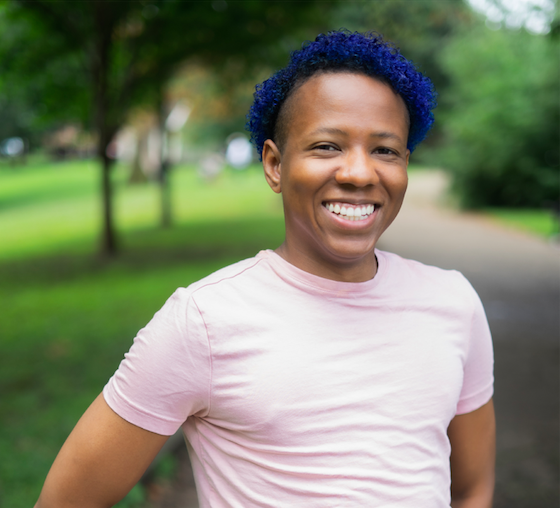
Now an award-winning author of multiple young adult books including “Felix Ever After,” Callender (whose pronouns are they/them) is a professional storyteller largely thanks to Rowling’s influence – a painful realization now for a transgender person who grew up loving “Harry Potter.”
“I’m scared to think about the people who might have loved ‘Harry Potter’ and thought about it the same way and then to see their idol come out and say that they’re not worthy,” said Callender, noting that suicide rates are higher for trans and non-binary children than cisgender children “because we’re so isolated and ostracized.” Cisgender refers to those whose gender identity matches the one they were assigned at birth.
A 2019 CDC study found that trans youth made up 2% of high school students and more than a third of them attempt suicide.
“I do think that giving her any sort of platform is potentially life-threatening and dangerous. … Her rhetoric continues to push this incorrect thought and conversation around transgender people,” Callender added.
Rowling’s spokesperson declined comments to USA TODAY.
AJ Solomon is another fan to whom “Harry Potter” meant everything as a kid.
“I knew without a doubt that my whole life would not just revolve around ‘Harry Potter,’ but was kind of defined by it,” Solomon, 21, recalled. “There was never any question. My backpack was ‘Harry Potter.’ When I had an art assignment, I would automatically try to make it about (‘Harry Potter’)… When I started to realize I was trans, a lot of the solace I took in ‘Harry Potter’ was that if I was magic, I could just use a spell to lower my voice.”

Upon rereading the series, some “Potter” fans over the past few years have perceived offensive connotations within the story they love. The books’ goblins, creatures with pointed noses who control the wizarding world’s banks, are widely read as having roots in anti-Semitic folklore. There are also several scenes that can be read as transphobic, including more than a few in which a male character wearing a dress is played for laughs – a trope that prominent trans voices in entertainment such as actress Laverne Cox widely concur threaten the well-being and safety of real-life trans women.
“What’s so hilarious about that? This is the painful moment for me,” Callender said.
‘I get goosebumps’:Laverne Cox on Netflix transgender history doc, landmark Supreme Court decision
As fans move to become more critical consumers, many have found comfort in making up their own ideas about what that world might look like, be it writing fan fiction for online audiences or daydreaming about how the wizarding world might be more inclusive than the real one.
“What would it look like to be trans with magic?” Solomon sometimes wonders with fellow fans. “What would transitions look like? … Are there charms to make people forget your old name and pronouns? Is it something that they don’t talk about because they don’t need to because it’s just solved so easily?”
“Potter,” at this point, has a life completely beyond its creator, not unlike the “Star Wars” franchise, notes Michael Bronski, an LGBTQ historian, activist and Harvard professor.
With the book series complete, the rest of the franchise (multiple theme parks, stage play and prequel films, to name a few) doesn’t really need Rowling and therefore isn’t necessarily doomed by her public perception. So if many fans have moved on from the author one way or another, how will Rowling be remembered?
“I think it depends on what her investment in this is,” Bronski said. “If (Rowling) is really invested in being beloved, this might be bad for her. But if she’s happy being an independent person who can have an opinion (and) doesn’t care who criticizes her, she’s set.”
There are some fans who don’t find Rowling’s comments to be a deal breaker. But the many who do are left wondering how they can love something created by someone they can no longer support. Some, like Solomon, have decided to focus on the communities “Harry Potter” has allowed them to build rather than the source material. Others, like Callender, want to help ensure that YA books have proper representation for younger readers to help them feel less alone.
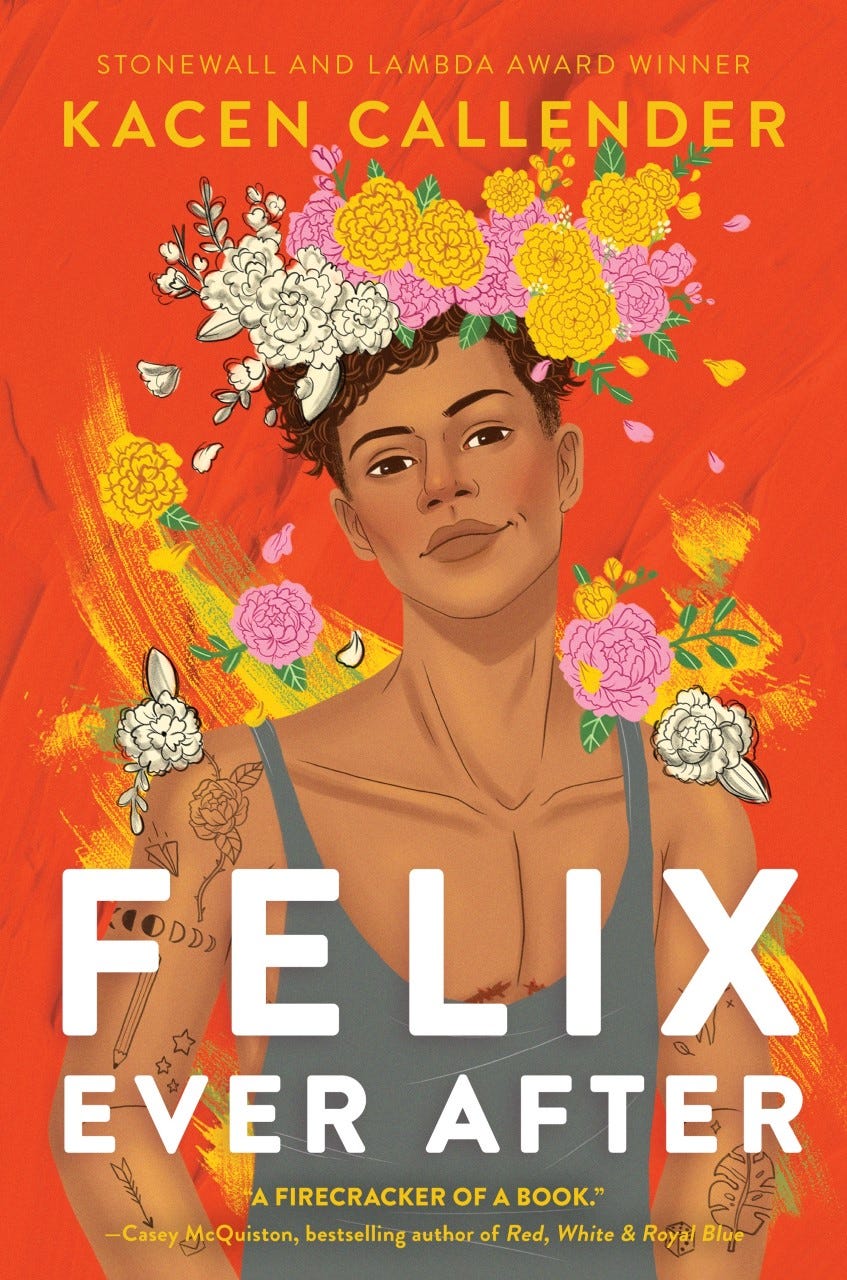
Callender’s latest book, “Felix Ever After,” stars a “Black, queer trans (teenager) afraid he isn’t worthy of love because he’s ‘one marginalization too many,’” Callender explains. Beyond “Felix,” the past few years have brought standout YA novels starring trans and non-binary characters, including “Mask of Shadows” by Linsey Miller, “Cemetery Boys” by Aiden Thomas, “Anger is a Gift” by Mark Oshiro and “I Wish You All the Best” by Mason Deaver.
“It’s time for my self-healing and to move on,” Callender said. “Part of that is to focus on the amazing number of trans stories that are coming out. … I feel like we have a moment now to say, ‘Forget her, screw her, and let’s focus on our own beautiful stories and making sure that those end up in the hands of young readers who need them.’”
